
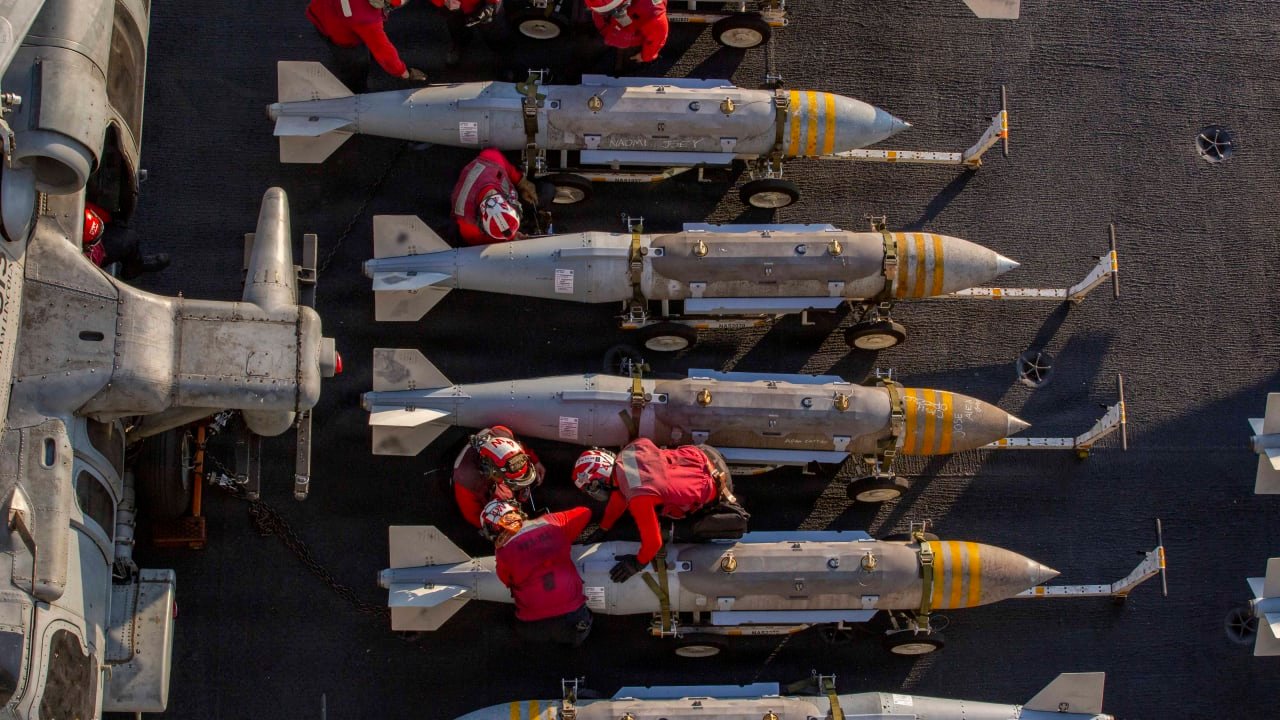

The United States military has significantly reduced its missile reserves following Operation Epic Fury against Iran, raising concerns among defense analysts about near-term readiness. Experts and sources familiar with Pentagon assessments told CNN that recent operations consumed a substantial portion of critical munitions, potentially creating strategic risks.
According to an analysis by the Center for Strategic and International Studies, the US has used at least half of its Terminal High Altitude Area Defense missiles and nearly half of its Patriot air defense systems. In addition, forces expended roughly 45% of Precision Strike Missiles during the campaign that began on February 28.
Moreover, the report indicates that US forces deployed about 30% of their Tomahawk missiles, along with significant portions of Joint Air-to-Surface Standoff Missiles. Analysts also estimate that around 20% of SM-3 and SM-6 missile inventories have been consumed. Sources familiar with classified Pentagon data said these figures closely align with internal assessments.
As a result, experts warn that replenishing these stockpiles could take between three and five years, despite new defense contracts aimed at boosting production capacity. Mark Cancian, a co-author of the study, stated that the depletion has created a temporary vulnerability, particularly in the western Pacific region.
However, Pentagon officials pushed back on these concerns. Chief spokesman Sean Parnell asserted that the US military maintains sufficient capabilities to conduct operations when required. He emphasized that recent missions succeeded without compromising national defense readiness.
Meanwhile, analysts continue to debate whether current reserves would sustain simultaneous conflicts with other global adversaries.

