
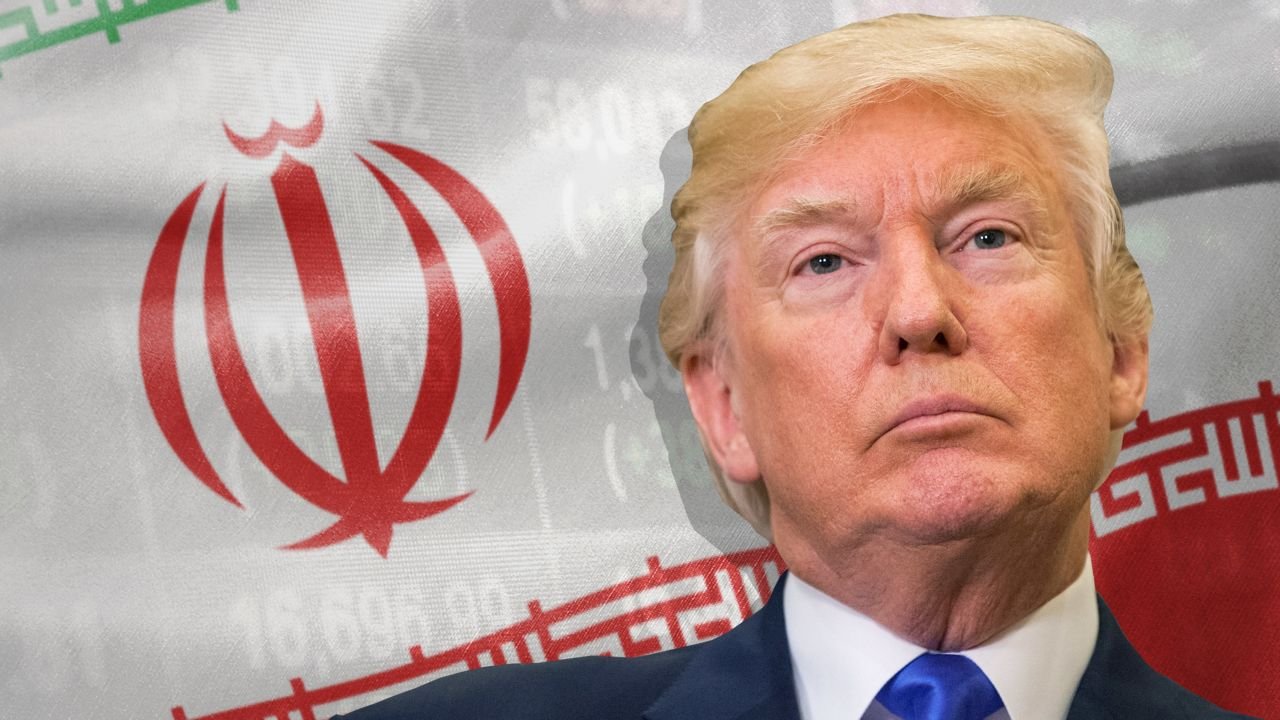

A proposed peace framework between the United States and Iran has drawn global attention after reports revealed a possible $300 billion reconstruction package for Tehran.
The reported framework is linked to ongoing efforts aimed at reducing tensions after months of regional confrontation. According to emerging details, the reconstruction initiative would function through an international investment fund facilitated by the United States.
The proposal reportedly forms part of a broader settlement arrangement connected to a temporary ceasefire plan.
Iran Seeks Reparations as Part of Settlement
The developing framework surfaced alongside Iranian demands for compensation connected to wartime damages.
Reports suggest both sides are discussing multiple concessions and security guarantees to stabilize the Gulf region. However, neither Washington nor Tehran has officially confirmed the reported details.
Despite that, the proposed arrangement has already intensified international debate due to its financial scale and strategic implications.
Strait of Hormuz Central to Proposed Agreement
The Strait of Hormuz remains one of the most important elements in the draft framework.
Under the reported terms, commercial shipping activity through the waterway would return to pre-conflict levels within one month. In exchange, the United States would halt blockade operations near the strategic maritime route.
Additionally, US military forces would reportedly withdraw from areas surrounding Iran as part of the de-escalation process.
The arrangement would exclude military vessels from the agreement. Meanwhile, Iran and Oman would oversee shipping coordination and traffic management in the Strait of Hormuz.
Two-Month Truce Could Open Door for Long-Term Talks
The proposed memorandum of understanding would reportedly create a temporary two-month truce between both countries.
During this period, Washington and Tehran would continue negotiations for a broader and more permanent peace agreement.
If finalized within 60 days, the framework could eventually move to the United Nations Security Council for approval as a binding international resolution.
As a result, the proposal could become one of the most significant diplomatic developments in recent years.
Uncertainty Still Surrounds Final Agreement
Although discussions appear to be progressing, negotiations remain fluid. Officials from both countries have yet to officially endorse the reported terms.
Several sensitive issues still require detailed discussions before any final announcement can be made. These include regional security arrangements, economic measures, and long-term monitoring mechanisms.
Even so, analysts believe the framework signals a serious attempt to prevent further escalation in the Middle East.
Regional and Global Impact in Focus
If implemented, the agreement could reshape diplomatic and economic dynamics across the region.
The reopening of maritime trade routes could ease pressure on global energy markets. Furthermore, reduced military tensions may improve stability in nearby countries affected by the conflict.
At the same time, the proposed reconstruction package has raised questions about funding, international oversight, and political conditions attached to future assistance.
Conclusion
The reported US-Iran truce framework represents a major diplomatic development amid ongoing regional tensions.
While uncertainty remains over the final outcome, the proposed deal highlights growing efforts to secure stability through negotiation instead of prolonged confrontation.

