

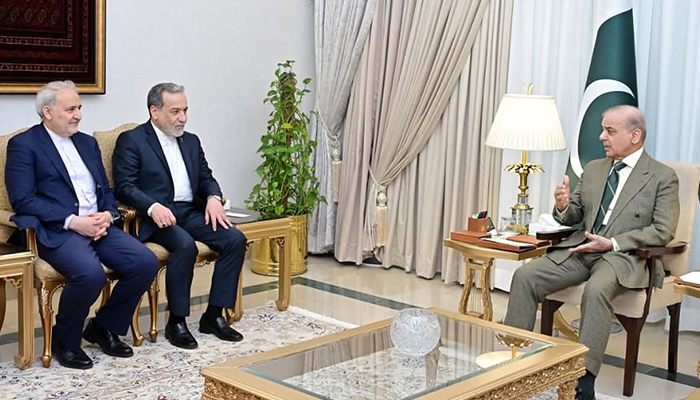
Iranian Foreign Minister Abbas Araghchi announced on Monday night that negotiations between Iran and the United States continue to make steady progress. He credited Pakistan’s sincere mediation efforts for helping move the dialogue forward. Araghchi issued this update even as fresh confrontations erupted in the Strait of Hormuz, threatening a fragile regional ceasefire.
Project Freedom Faces Strong Criticism
Araghchi dismissed US President Donald Trump’s new initiative, called “Project Freedom,” to escort ships through the vital waterway. He bluntly labeled it “Project Deadlock,” arguing that military moves offer no real solution to the crisis.
Transitioning from recent clashes, both sides exchanged attacks in the Gulf on Monday while competing for control of the strategic chokepoint. This vital route has remained largely blocked since US and Israeli strikes on Iran began in February. The ongoing standoff has disrupted global oil and gas supplies and raised shipping insurance costs sharply.
Despite these challenges, the US military reported that two American merchant ships successfully passed through the strait with naval protection. Iran, however, denied any recent crossings and released a map claiming expanded control over broader sea areas, including parts near the UAE coastline. Admiral Brad Cooper warned Iranian forces to stay away from US assets during these operations.
Pakistan Pushes for Diplomacy
A day earlier, Pakistan’s Deputy Prime Minister and Foreign Minister Ishaq Dar spoke by phone with Araghchi. During their conversation, Araghchi praised Pakistan’s constructive role, while Dar stressed that dialogue remains the only path to lasting peace. Islamabad has actively hosted high-level meetings to revive stalled talks since the April 8 ceasefire.
Pakistan continues to play a central intermediary role between Washington and Tehran. Officials in both capitals now review proposals delivered through Pakistani channels. Araghchi cautioned the US and UAE against falling into unnecessary escalation, emphasizing that no military solution exists for the current tensions.
This diplomatic push comes at a critical time as the world watches developments closely. Successful mediation could help reopen the Strait of Hormuz and ease pressure on global energy markets.

