
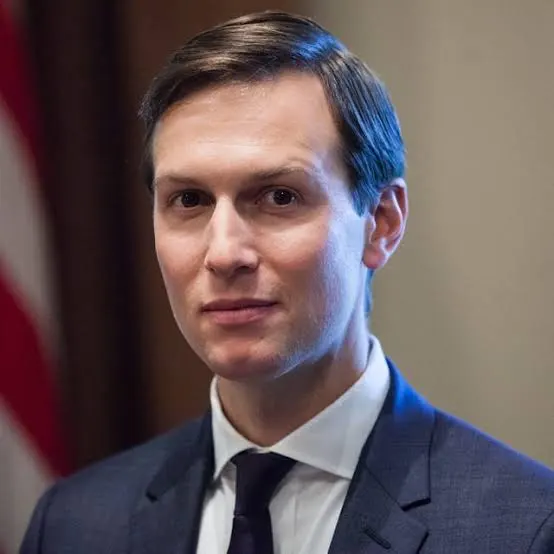

Jared Kushner, adviser and son-in-law of US President Donald Trump, has drawn renewed scrutiny over his dual roles in diplomacy and private investment activities, according to critics and media reports. Observers argue that his involvement in shaping aspects of US foreign policy while maintaining business relationships in regions tied to negotiations raises questions about potential conflicts of interest. The discussions have intensified as lawmakers and ethics groups call for clearer disclosures and oversight of foreign engagements linked to private ventures.
Meanwhile, reports and accusations from some political opponents suggest that Kushner’s private investment firm has sought funding from foreign entities in regions where US diplomatic engagement has also taken place. However, supporters of Kushner argue that his business dealings remain separate from official government activity and deny any wrongdoing. The debate has further fueled partisan disagreement in Washington over ethics rules governing former and current advisers.
Additionally, ethics advocates have called for greater transparency regarding any interactions between private business interests and diplomatic negotiations. Some lawmakers have also suggested that testimony under oath may be necessary to clarify the extent of any overlap. So far, no formal findings of misconduct have been established, and officials have not announced any charges or investigations directly tied to wrongdoing.
Consequently, the issue continues to attract political and public attention, with ongoing debate over how to regulate the intersection of diplomacy and private enterprise. Moreover, analysts note that the situation reflects broader concerns about influence, accountability, and transparency in foreign policy decision-making. As discussions continue, lawmakers are expected to revisit ethics frameworks that govern advisers who move between government roles and private business activities at both national and international levels as scrutiny continues globally.

