
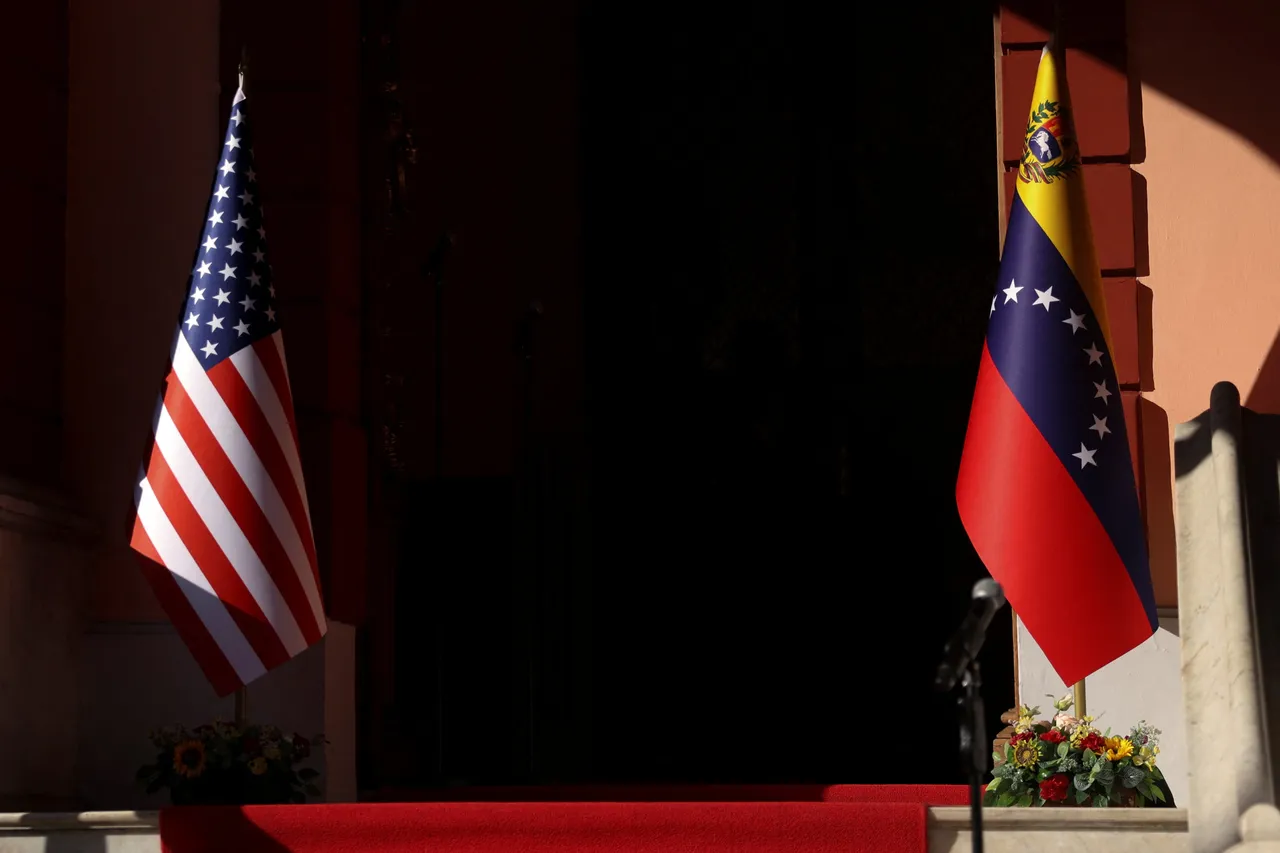

The United States has eased sanctions on Venezuela’s central bank and key financial institutions, signaling a shift in policy as Washington seeks closer ties with the oil-rich nation. The US Treasury issued a license allowing transactions with the central bank and several state-owned banks, enabling activities such as wire transfers and card services that were previously restricted.
Officials say the move marks a significant step toward reintegrating Venezuela into the global financial system after years of isolation. It also follows Washington’s earlier decision to lift sanctions on interim President Delcy Rodriguez, who assumed power after the removal of former leader Nicolas Maduro.
Meanwhile, Caracas has welcomed the easing but continues to push for broader relief. Rodriguez reiterated calls for the complete removal of US sanctions, arguing that limited licenses do not provide long-term legal certainty for investors or sustainable economic recovery. She made the remarks after meeting US energy officials and consulting industry executives on future projects.
In addition, the policy shift reflects growing cooperation between the two countries. Venezuela has taken steps to open its energy sector to foreign investment, particularly from US firms, as part of efforts to revive its economy. Washington has also relaxed parts of a long-standing oil embargo, allowing select companies to resume operations under specific conditions.
However, analysts caution that challenges remain. While financial access has improved, uncertainty over sanctions policy could still deter long-term investment. Therefore, further easing may prove critical to stabilizing Venezuela’s economy and strengthening bilateral relations.

