
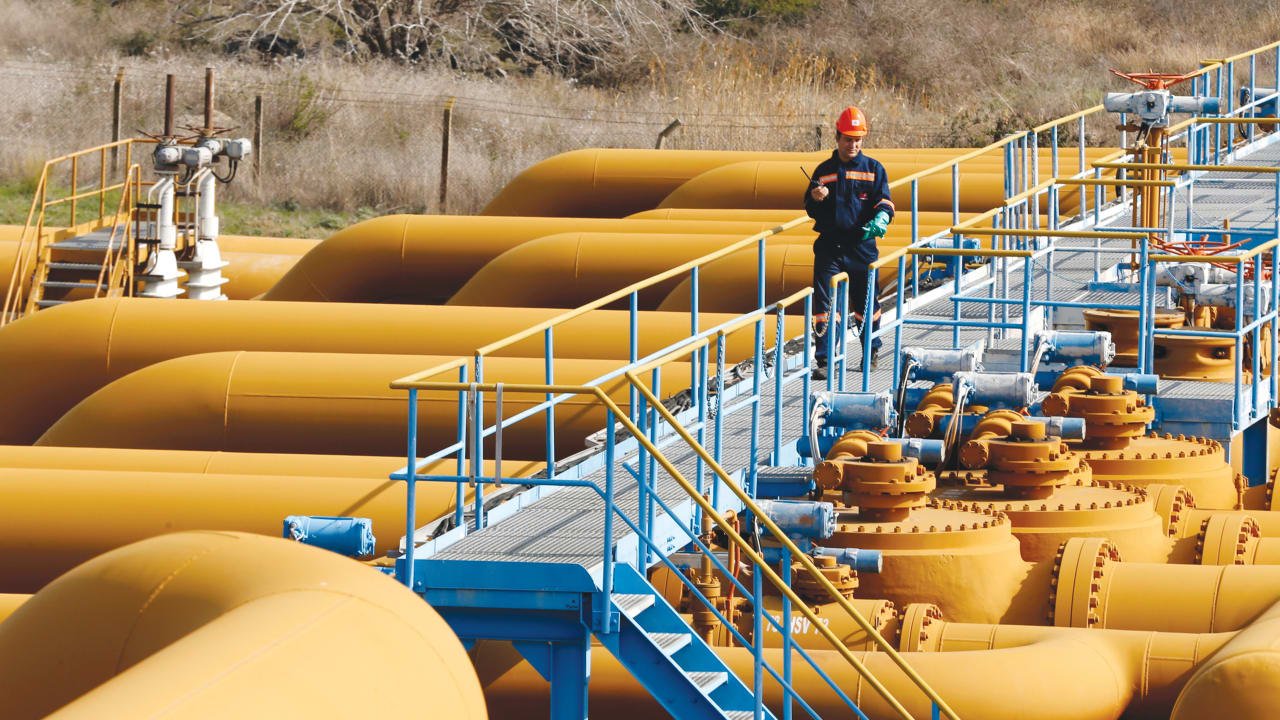

Kirkuk-Baniyas project aims to strengthen energy infrastructure and reduce reliance on Strait of Hormuz
WASHINGTON: The United States has expressed support for efforts by Iraq and Syria to revive the long-idled Kirkuk-Baniyas crude oil pipeline, viewing the project as a step toward diversifying regional export routes and reducing dependence on the Strait of Hormuz.
A US State Department official said on Tuesday that Washington supports the initiative and expects American companies to contribute to the reconstruction of the pipeline, which has remained largely inactive since it sustained extensive damage during the 2003 US-led invasion of Iraq.
The pipeline links oil fields near Kirkuk in northern Iraq with Syria’s Mediterranean port of Baniyas, providing an alternative route for crude exports outside the Gulf.
The project forms part of broader regional efforts to strengthen energy infrastructure and improve export flexibility amid continued geopolitical tensions affecting maritime shipping.
Alternative routes gain strategic importance
The renewed focus on overland energy corridors comes as concerns persist over security in the Strait of Hormuz, one of the world’s most important oil transit routes.
Before the recent escalation in regional conflict, roughly one-fifth of global oil and gas shipments moved through the strategic waterway. Policymakers and energy producers have increasingly explored alternative export options to reduce reliance on a single maritime corridor.
Bloomberg reported earlier that Chevron could potentially participate in rebuilding the pipeline. However, the company declined to comment on the report, stating that it does not discuss third-party statements or commercial matters as a matter of policy.
Regional connectivity plans continue evolving
Meanwhile, discussions over broader regional trade and transport networks are also progressing.
Recent reports indicated that Saudi Arabia is examining potential alternatives for the proposed India-Middle East-Europe Economic Corridor (IMEC), including a possible route through Syria.
Originally announced in 2023, the IMEC project aims to strengthen trade and infrastructure links connecting India, the Gulf region and Europe through integrated rail, shipping and logistics networks.
Analysts say projects such as the Kirkuk-Baniyas pipeline and new transport corridors reflect growing regional efforts to improve energy security, diversify export infrastructure and strengthen economic connectivity while reducing exposure to disruptions affecting major maritime routes.

