

The United States is expecting Iran’s response to its latest peace proposal today as diplomatic efforts continue alongside rising regional tensions.
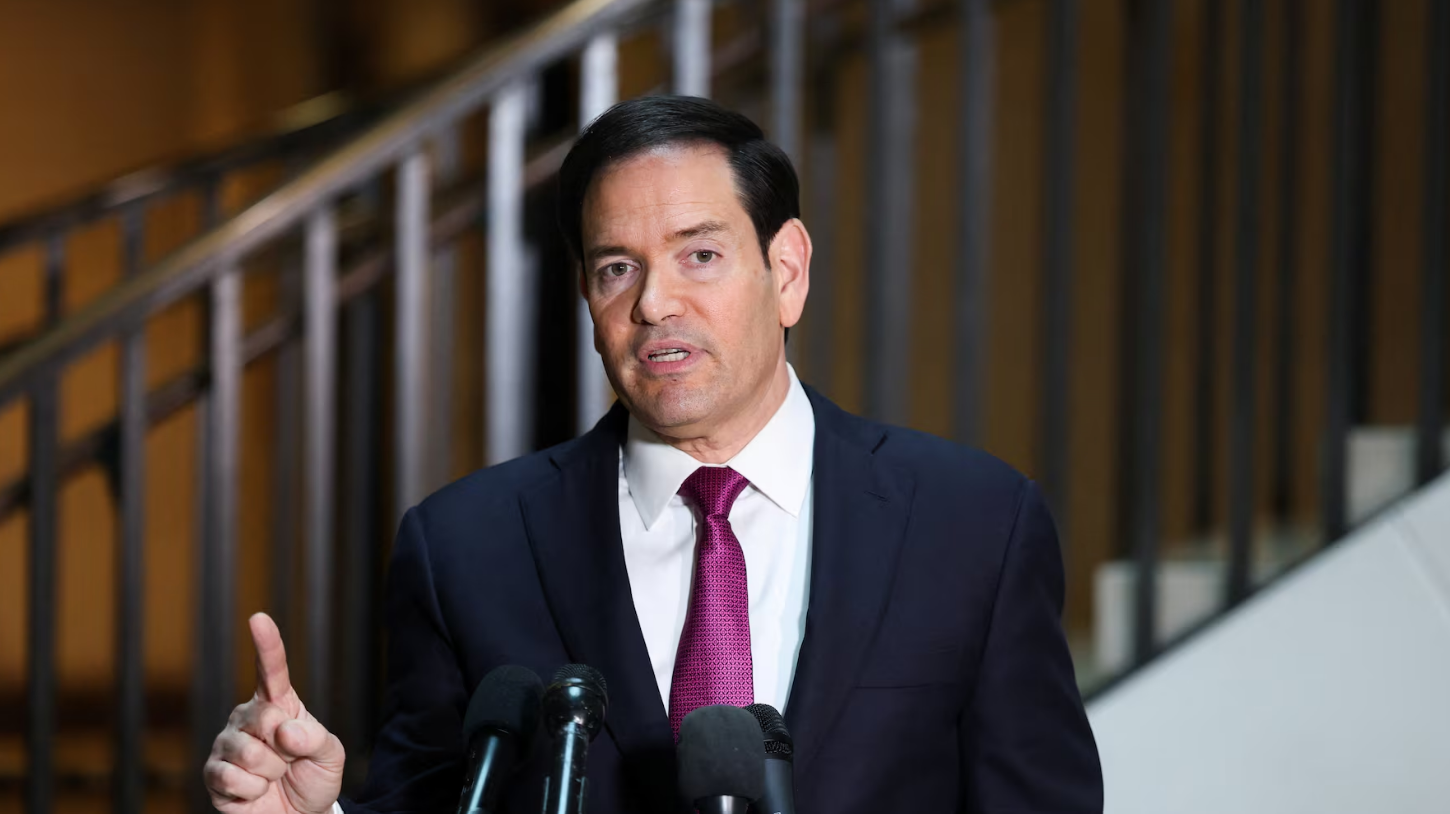
US Secretary of State Marco Rubio said Washington hopes Tehran’s reply could open the door for serious negotiations and help reduce instability in the region.
Speaking to reporters in Rome, Rubio said, “We’ll see what the response entails. The hope is it’s something that can put us into a serious process of negotiation.”
His statement came at a sensitive moment as military activity and security concerns continue to escalate across the Gulf region.
US Waiting for Tehran’s Decision
The latest peace proposal has become the main focus of diplomatic discussions between Washington and Tehran.
American officials believe Iran’s response could shape the next phase of the conflict and determine whether negotiations move forward.
Although hopes for diplomacy remain alive, tensions have not eased on the ground.
Overnight, the United States and Iran reportedly exchanged naval attacks in the Strait of Hormuz. The strategic waterway remains one of the world’s most important energy routes.
Meanwhile, Iran announced that it had seized an oil tanker in the Gulf of Oman and redirected it towards the country’s southern coast.
The incident has further increased uncertainty surrounding maritime security in the region.
Strait of Hormuz Remains Under Pressure
The Strait of Hormuz continues to face serious pressure amid ongoing military tensions.
The route handles a major portion of global oil shipments every day. Therefore, any disruption immediately raises concerns in international markets.
In recent weeks, regional shipping activity has faced repeated security challenges.
Additionally, reports said the United States targeted two Iranian ports during the latest escalation.
Despite the tensions, US President Donald Trump suggested that the ceasefire process was still holding.
Describing the strikes as a “love tap,” Trump told American media that “the ceasefire is going. It’s in effect.”
However, the situation across the wider region remains unstable.
Regional Conflict Continues Beyond Iran
The conflict’s impact has also spread beyond the Gulf.
In southern Lebanon, Israeli strikes reportedly continued on Friday, resulting in multiple casualties, including a paramedic.
As a result, concerns about broader regional instability continue to grow among international observers.
At the same time, diplomatic channels remain active as global powers push for de-escalation.
Analysts believe Iran’s response to the US proposal could become a turning point in determining whether the crisis moves toward negotiations or further confrontation.
Global Attention Focused on Tehran
World attention is now focused on Tehran as governments and markets wait for Iran’s official response.
Any breakthrough could reduce tensions in the Gulf and improve regional stability.
However, a negative response may deepen uncertainty and trigger further diplomatic and military pressure.
For now, Washington says it remains hopeful that negotiations can still move forward through dialogue instead of escalation.

