

ABC, NBC and CNN opt for streaming platforms while CBS and Fox air address live
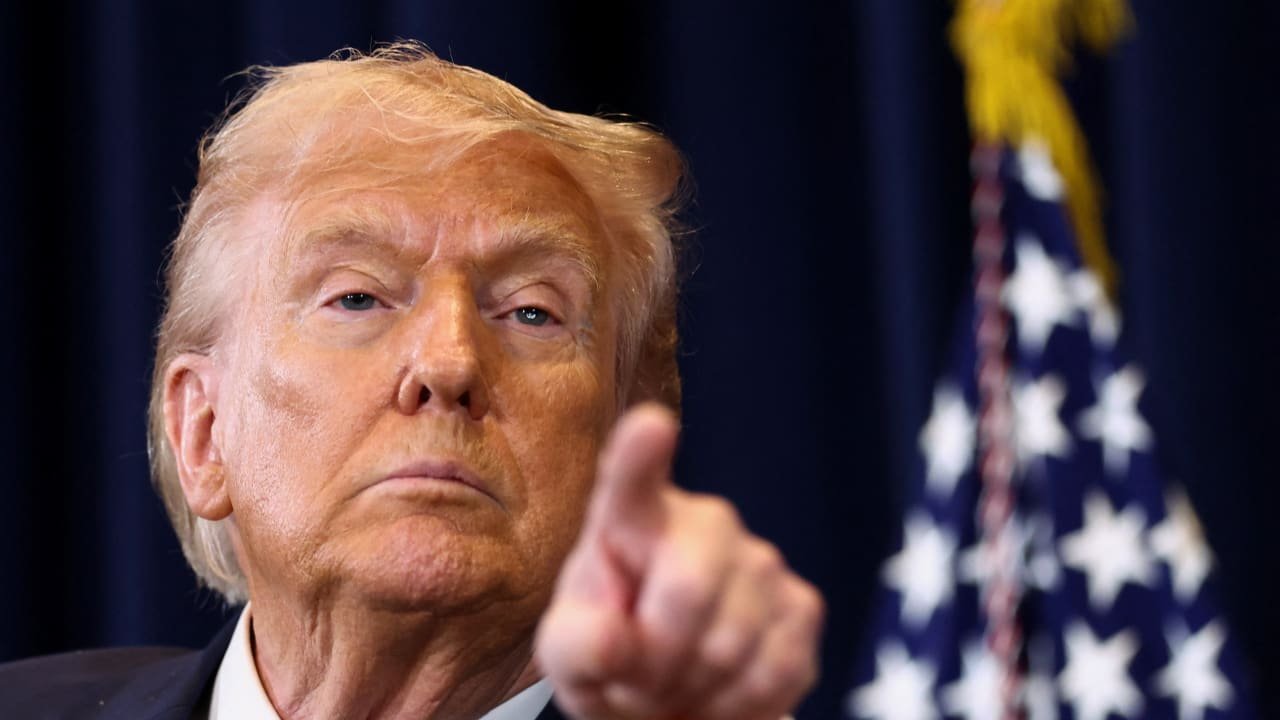
WASHINGTON: US President Donald Trump criticised several major American television networks after ABC, NBC and CNN declined to broadcast his prime-time address on their main television platforms, instead making the speech available through streaming services or digital channels.
The address focused primarily on election security, with Trump alleging foreign interference in US elections and announcing the declassification of intelligence that he said supported his claims. He also briefly discussed the economy and the conflict involving Iran.
During the speech, Trump accused the networks of deliberately refusing to air his remarks and claimed they should face the loss of their broadcast licences. Media law experts, however, note that US broadcasters have broad First Amendment protections allowing them to determine their programming decisions independently.
Networks explain coverage decisions
ABC News carried the address through its ABC News Live streaming platform and radio service rather than its main broadcast network. NBC News aired the speech on its streaming channel, NBC News NOW, while CNN provided live coverage through its website and subscription streaming service.
In contrast, CBS interrupted regular programming to broadcast the address live before later fact-checking several of Trump’s election-related claims on air. Fox News also carried the speech live across its cable network, with some local affiliates joining the broadcast.
Media scrutiny intensifies
Meanwhile, White House Press Secretary Karoline Leavitt had urged networks to air the address, saying it covered issues of national importance. Some Democratic lawmakers, however, argued that broadcasters should avoid amplifying claims they say have previously been disproven.
The broadcast decisions come as relations between the Trump administration and major US media organisations remain strained. Several media companies are also facing regulatory reviews and corporate changes, while political leaders continue to debate the role of broadcasters in covering presidential addresses.
The dispute highlights continuing tensions between the White House and the US news media over editorial independence, election coverage and the balance between public interest broadcasting and journalistic discretion.

