

U.S. President Donald Trump and Iranian President Masoud Pezeshkian signed a memorandum of understanding (MoU) aimed at ending hostilities between the two countries. The agreement includes measures to reopen the Strait of Hormuz, address Iran’s nuclear program under international oversight, provide phased sanctions relief, and facilitate the release of frozen Iranian assets.
Trump signed the document during a dinner hosted by French President Emmanuel Macron at the Palace of Versailles. Pezeshkian also signed the MoU, marking a significant diplomatic milestone after months of negotiations. Reuters confirmed the signing, while images shared on social media, including posts by RT, showed Pezeshkian displaying the signed document bearing Trump’s signature.
The moment President Trump signs the Iran deal at the Palace of Versailles.
The agreement was finalized during a dinner hosted by French President Emmanuel Macron inside the historic palace.
The signing marked a major diplomatic milestone after months of negotiations aimed at… pic.twitter.com/slt91WwA2O
— Fox News (@FoxNews) June 18, 2026
According to the text of the MoU, the agreement outlines a framework for de-escalation, economic cooperation and future negotiations, while allowing Iran’s enriched nuclear material to remain inside the country under international supervision.
Iran's President Pezeshkian SIGNS MoU between Washington & Tehran — Trump signature CLEARLY VISIBLE on paper pic.twitter.com/SXUQbRWgJP
— RT (@RT_com) June 18, 2026
Iran will not transfer its enriched nuclear stockpile abroad. Instead, the material will be diluted within Iran under the supervision of the International Atomic Energy Agency (IAEA). The provision is among several measures designed to address nuclear concerns while preserving Tehran’s control over its nuclear assets. The document also states that, following the signing of the agreement, both sides will establish a mechanism to facilitate access to Iranian funds and assets currently frozen or restricted abroad.
Moreover, the memorandum outlines a series of economic measures aimed at easing pressure on Iran’s economy. According to the reported text, the US Department of the Treasury would issue waivers allowing the export of Iranian crude oil, petroleum products and related derivatives.
The agreement also provides for the release of frozen Iranian funds and references a broader economic development initiative reportedly valued at $300 billion to support reconstruction and growth efforts.
In addition, the document suggests that significant financial relief could begin before the completion of broader negotiations on a final settlement.
Sixty-Day Negotiation Framework Established
Meanwhile, the opening provisions of the memorandum call for an immediate halt to military operations across all fronts, including Lebanon. The text also includes mutual recognition of sovereignty and territorial integrity between the United States and Iran.
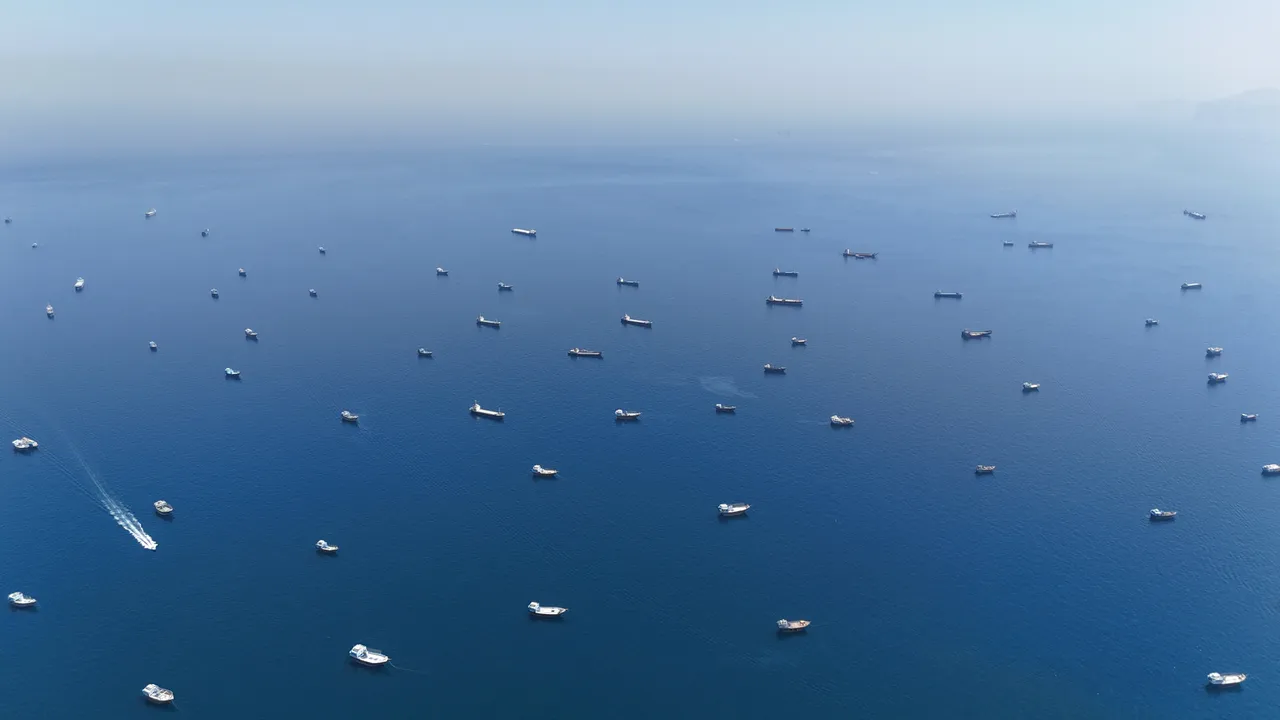
Articles related to maritime security provide for the lifting of restrictions affecting the Strait of Hormuz while requiring efforts to ensure the safe passage of commercial shipping.
The agreement establishes a 60-day negotiation period, which may be extended by mutual consent, to reach a comprehensive final settlement covering unresolved issues related to Iran’s nuclear programme.
Finally, the reported text states that any permanent resolution would ultimately be endorsed through a binding resolution of the United Nations Security Council, providing international legal backing for the agreement’s implementation and future commitments.

