
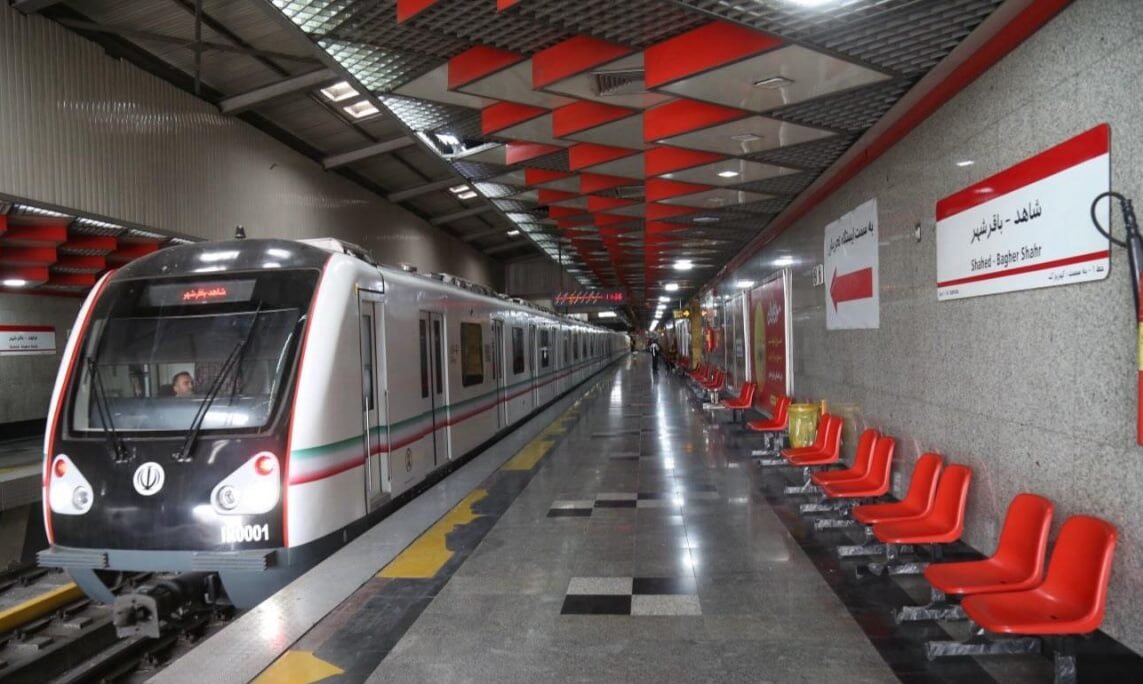

Tehran is set to offer free travel on buses and metro trains in the city for the people at a time when the Hormuz blockade has doubled the cost of travel. That move in Tehran sounds ambitious—free public transport is rare globally, especially permanently.
In Pakistan, public transportation is quite different. In Punjab, the provincial government has announced free travel on metro buses. However, the system is a mix of modern projects and older.
In major cities like Rawalpindi and Islamabad, people rely heavily on the Rawalpindi–Islamabad Metrobus. It’s a bus rapid transit (BRT) system with dedicated lanes, frequent service (every few minutes), and relatively low fares, making it one of the more efficient options. So far, the journey on the Red Metro buses is free, while other metro buses operating in Islamabad charge a fare after a one-month free travel.
Click on the tweet below to watch the metro and bus system in Tehran.
https://x.com/persianserene2
Similarly, cities like Lahore, Multan, and Peshawar also have metrobus or BRT systems designed to reduce congestion and provide affordable travel. These systems are air-conditioned and structured, so they’re closer to modern mass transit standards.
However, outside these systems, public transport becomes less organized. Most people still depend on:
- Regular city buses and wagons
- Auto-rickshaws for short distances
- Ride-hailing apps like Careem or Uber
Buses remain the backbone of transport because they are cheap and widely available across cities and between regions.
That said, Pakistan’s system has challenges. Coverage is limited in many areas, and urban planning issues mean public transport often struggles to meet demand efficiently.
So, compared to Tehran’s proposed free system, Pakistan offers affordable but not free transport, with decent services in big cities but gaps elsewhere.
If something like Tehran’s model were introduced here, it would be a huge shift—though funding and infrastructure would be major hurdles.

