
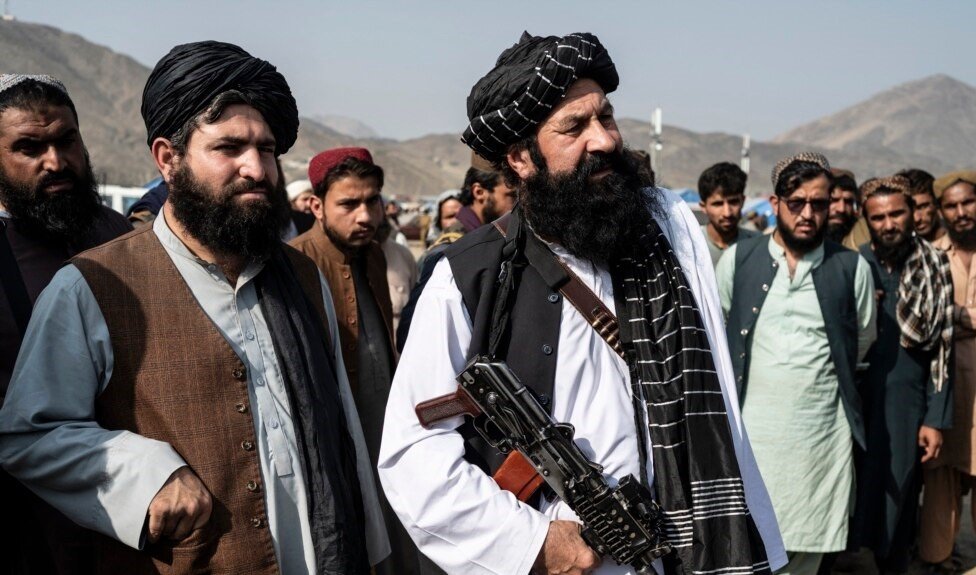

A new report by Genocide Watch has raised concerns over alleged human rights abuses in Afghanistan under Taliban rule. The report warns that restrictive policies and harsh punishments have weakened civil liberties and limited citizens’ access to basic rights.
According to the findings, Taliban authorities have curtailed political freedoms, dissolved institutions and imposed strict interpretations of Islamic law. The reported measures have affected journalists, former government employees and ordinary citizens.
Report Highlights Arrests and Physical Punishments
The report alleges that journalists, government critics and former officials face arbitrary arrests, harsh punishments and limited access to fair trials.
It states that at least 449 people received corporal punishment during the first six months of 2026. During the same period, authorities allegedly detained more than 777 people unlawfully.
The figures highlight concerns about detention practices and the treatment of people accused of challenging Taliban rule. However, the reported figures require independent verification to establish the full scale of the alleged abuses.
Restrictions Affect Civil Liberties
Genocide Watch also raised concerns about restrictions on freedom of expression, political participation and personal rights. The report describes an environment in which people may face punishment for expressing dissent or opposing official policies.
Journalists and human rights defenders face particular concerns because independent reporting and criticism can expose them to pressure or detention. The restrictions have also raised broader questions about legal protections, due process and accountability under Afghanistan’s current authorities.
International Concerns Over Afghanistan
The report adds to continuing international concern over human rights in Afghanistan since the Taliban returned to power in 2021.
Restrictions on women and girls remain a major issue, particularly limits on education, employment and participation in public life. The United Nations has also recently expressed concern about the detention of women and girls over alleged dress-code violations.
Human rights organisations continue to call for stronger protections for civilians, independent monitoring and accountability for alleged abuses.
The latest findings underline the challenges facing Afghans seeking to exercise fundamental freedoms. Further independent assessments will be important in documenting reported violations and determining their extent.
For the latest updates, visit and follow The Truth International website (www.thetruthinternational.com) and subscribe to the YouTube Channel.

