

Interim parliament brings broader representation but faces questions over legitimacy and public confidence
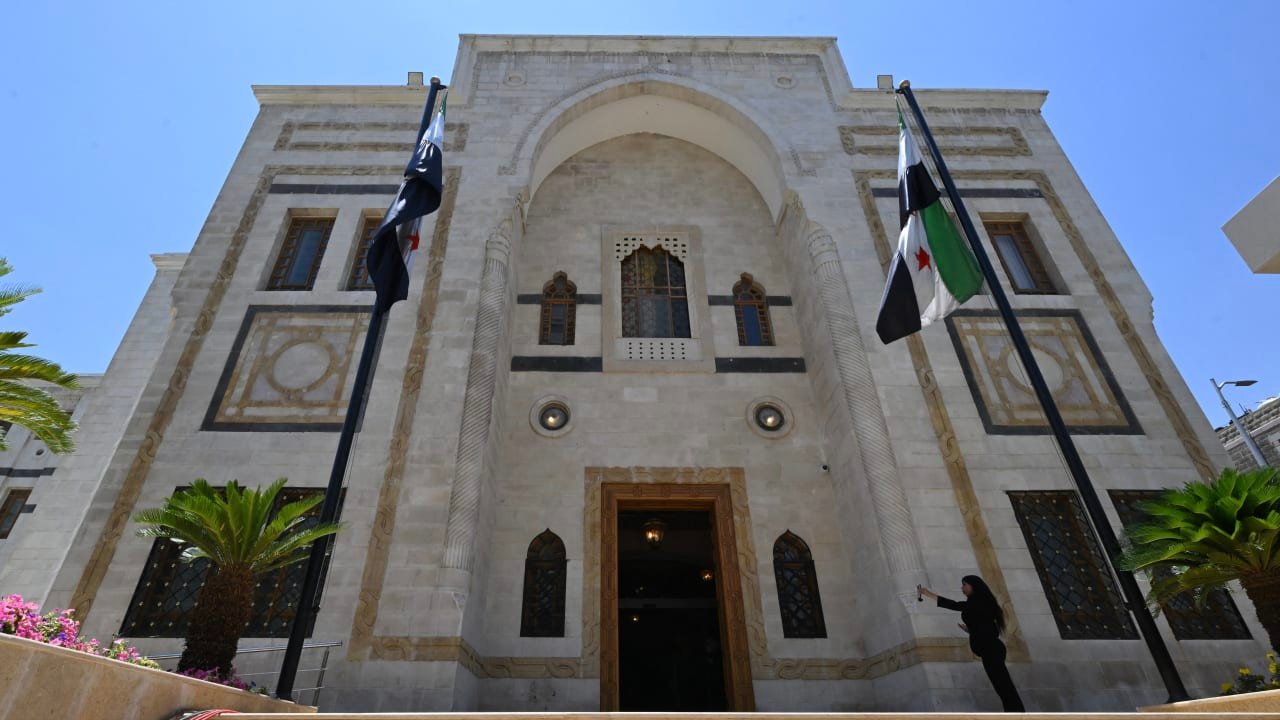
DAMASCUS: Syrian President Ahmed al-Sharaa addressed the opening session of the newly formed People’s Assembly on Sunday, marking a major political milestone following the collapse of Bashar al-Assad’s government in December 2024.
The new parliament includes 210 members, with 140 selected through limited electoral colleges and 70 appointed directly by the president. Although the process did not involve a nationwide popular vote, officials described the assembly as an important step toward rebuilding state institutions after years of war and authoritarian rule.
Al-Sharaa urged lawmakers to promote consultation, consensus and respect for the rule of law. He said the assembly should become a model of responsibility, competence and institutional governance while helping Syria draft a new constitution and review earlier decrees.
Diversity expands inside legislature
The assembly includes representatives from several communities, including Kurds, Druze, Alawites, Christians, Ismailis and Sunni Arabs. Women also gained seats, including Kurdish politician Fasla Yousef and actress Rozina Lazkani.
Abdul Hamid Akil al-Awak, a legal expert from Hasakah, won election as speaker after receiving 99 votes.
However, Kurdish politicians criticised their representation as insufficient, while Sweida did not participate because its Druze leadership rejects Damascus’s authority.
Public remains cautious
Despite the broader composition, many Syrians remain sceptical. One recent poll found only 14 percent considered the assembly representative, while 10 percent believed it would influence major decisions.
Nevertheless, supporters say the session symbolises a break from the rubber-stamp legislature of the Assad era. The parliament will serve for 30 months and is expected to pass legislation, supervise institutional reforms and begin work on a new constitution as Syria continues its uncertain political transition.

