

Authorities say redesigned Syrian pound marks political change while economists stress need for broader reforms
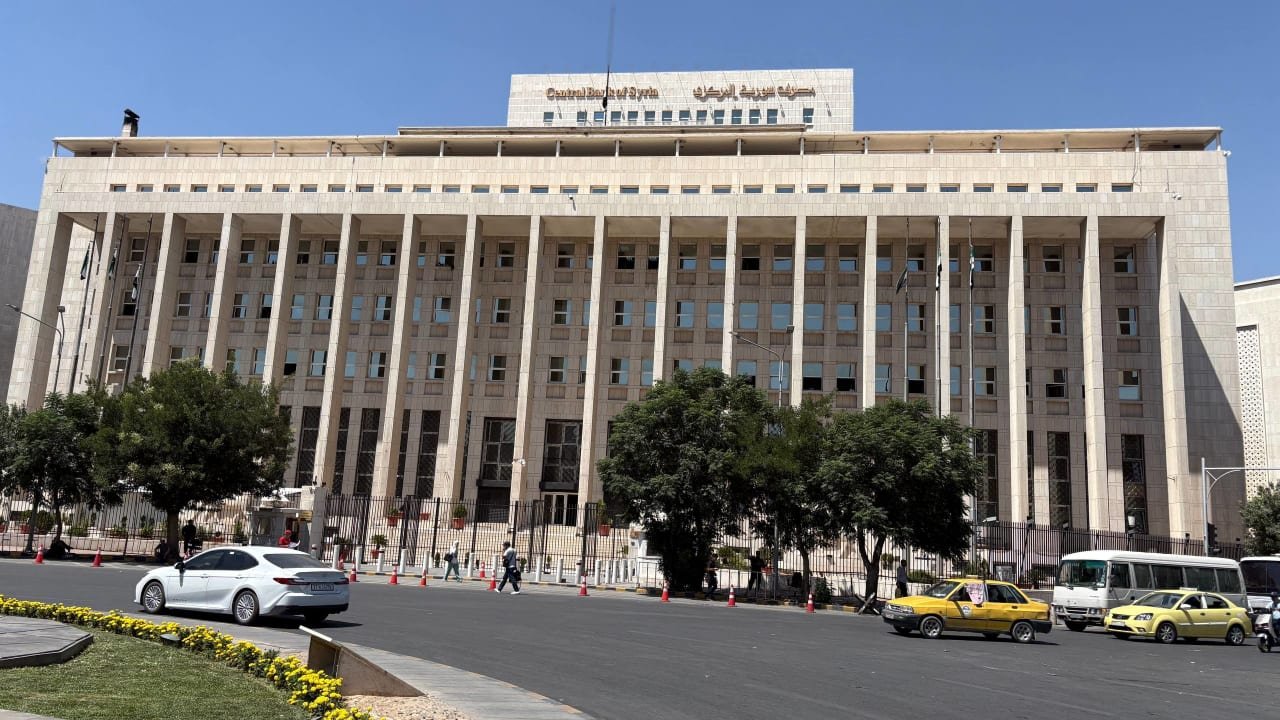
DAMASCUS: Syria has exchanged approximately 80% of the banknotes issued during former president Bashar al-Assad’s rule ahead of the currency exchange deadline, according to the Central Bank of Syria.
Central Bank Governor Safwat Raslan said the exchange programme, which began earlier this year, replaces the old Syrian pound with a redesigned currency that removes two zeros from its face value. Under the new system, 100 old pounds equal one new Syrian pound.
Raslan said July 30 is the final day for exchanging old banknotes through the current process. Beginning July 31, the old notes will no longer be legal tender for commercial transactions, although holders will have five years to recover their value through the Central Bank in Damascus under specified conditions.
Applicants must submit at least 100 banknotes, regardless of denomination, and approved amounts will be transferred to designated bank accounts without fees or commissions.
Transition carries political symbolism
Researchers told The Media Line that replacing banknotes bearing Assad’s image represents a symbolic break from Syria’s previous political era.
Syrian researcher Mohammad Jamal Tahan said currency often reflects a country’s political identity and argued that withdrawing notes featuring the former president carries significance beyond monetary reform.
Meanwhile, reactions among Damascus residents have been mixed. Some welcomed the redesigned currency as a fresh start, while others said meaningful economic improvement would depend on stronger incomes, lower inflation and greater exchange-rate stability.
Economists emphasise structural reforms
Economists told The Media Line that the redesign alone will not strengthen the Syrian pound without broader economic reforms.
They said the currency’s long-term value will depend on monetary discipline, higher domestic production, increased investment and greater confidence in financial institutions.
Analysts added that the new banknotes could improve cash handling, reduce counterfeiting and encourage more money to return to the formal banking sector. However, they stressed that sustainable currency stability will ultimately depend on wider economic recovery rather than changes in banknote design.
Officials have urged Syrians to rely on official information throughout the transition and avoid rumours as the country completes one of its most significant monetary reforms in decades.

