

Global oil prices fell sharply after Iran announced that the Strait of Hormuz is “completely open” for commercial shipping. The decision came amid a temporary ceasefire arrangement involving regional tensions.
Iranian Foreign Minister Abbas Araghchi confirmed the announcement on social media. He stated that commercial vessels could pass through the strait under coordinated maritime routes.
He added that the opening would remain in effect for the duration of the ceasefire period. This development immediately influenced global energy markets.
Trump Responds to Iran’s Announcement
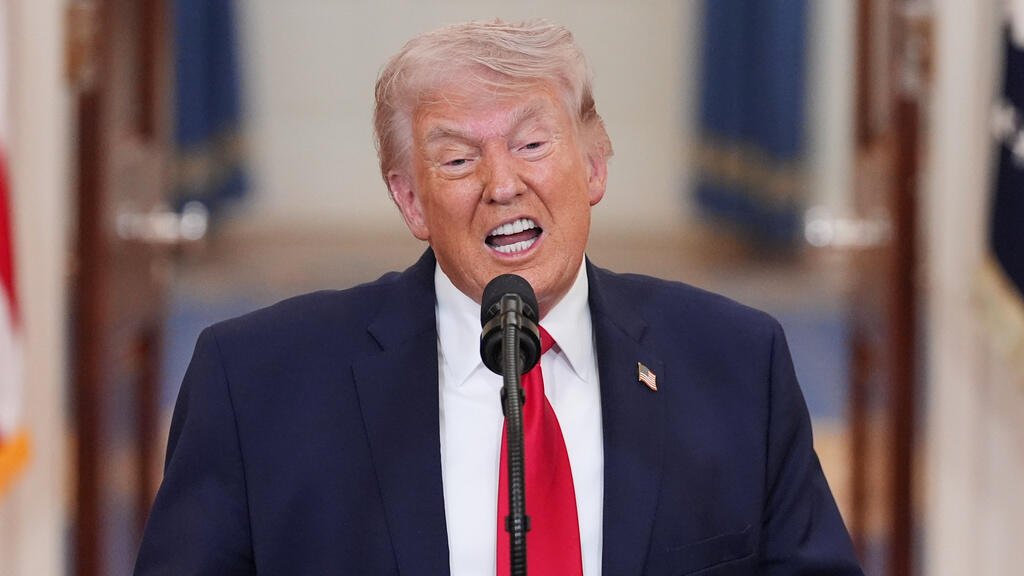
US President Donald Trump responded to the announcement with public statements. He confirmed that he had received Iran’s message regarding the reopening of the strait.
He posted that the waterway was open, while also clarifying the US position. According to him, naval restrictions on Iranian ports will continue.
He stated that the blockade will remain until a full agreement is reached. However, he suggested that negotiations are progressing toward resolution.
Ceasefire Linked to Regional Diplomatic Efforts
The reopening coincides with a 10-day ceasefire between Israel and Lebanon. The ceasefire is seen as part of broader efforts to reduce regional tensions.
Lebanese leadership described ongoing negotiations as delicate and crucial for stability. Officials emphasized dialogue as the pathway to further diplomatic progress.
At the same time, discussions continue regarding broader conflict resolution involving multiple regional stakeholders.
Strategic Importance of the Strait of Hormuz
The Strait of Hormuz is one of the world’s most critical energy routes. Nearly 20 percent of global oil supply passes through it daily.
Earlier tensions had led to disruptions in maritime traffic. Several shipping companies temporarily suspended operations due to security concerns.
The reopening, even if partial, has helped ease fears in global energy markets. Oil prices reportedly dropped by around 10 percent following the announcement.
Uncertainty Over Full Maritime Normalisation
Despite the announcement, uncertainty remains over how the reopening will function in practice. Iran referred to a “coordinated route” for vessel movement.
Analysts suggest that control over maritime flow may still depend on security conditions. Therefore, full normalisation is not yet guaranteed.
The US naval blockade on Iranian ports also remains active. It was imposed after earlier talks between the two countries failed to reach an agreement.
Early Signs of Limited Shipping Activity
Some limited shipping movement has already been observed. A Pakistan-flagged tanker reportedly became one of the first vessels to pass through the strait since tensions escalated.
The vessel carried crude oil from a Gulf port and later headed toward Karachi. However, most maritime traffic remains cautious.
Shipping data indicates that hundreds of vessels are still present in surrounding waters. Normal traffic patterns have not fully resumed yet.
International Monitoring and Security Concerns
European nations are also monitoring the situation closely. Britain and France have discussed maritime security and freedom of navigation in the region.
Mine clearance and safe passage operations remain key concerns for naval authorities. The situation continues to require active surveillance.
Economic Impact and Global Forecasts
The situation in the Strait of Hormuz continues to influence global economic outlooks. Analysts warn that prolonged disruption could push oil prices above $100 per barrel.
Higher oil prices may slow global economic growth significantly. Some forecasts suggest risks of recession if extreme price levels persist.
Energy markets remain highly sensitive to any further developments in the region.
Pakistan’s Role in Ongoing Diplomacy
Pakistan continues to engage in diplomatic efforts between the United States and Iran. Officials are reportedly facilitating communication channels to support a long-term agreement.
However, experts note that real stability will depend on actual maritime activity. The key test remains whether ships can pass safely and consistently through the strait.

