
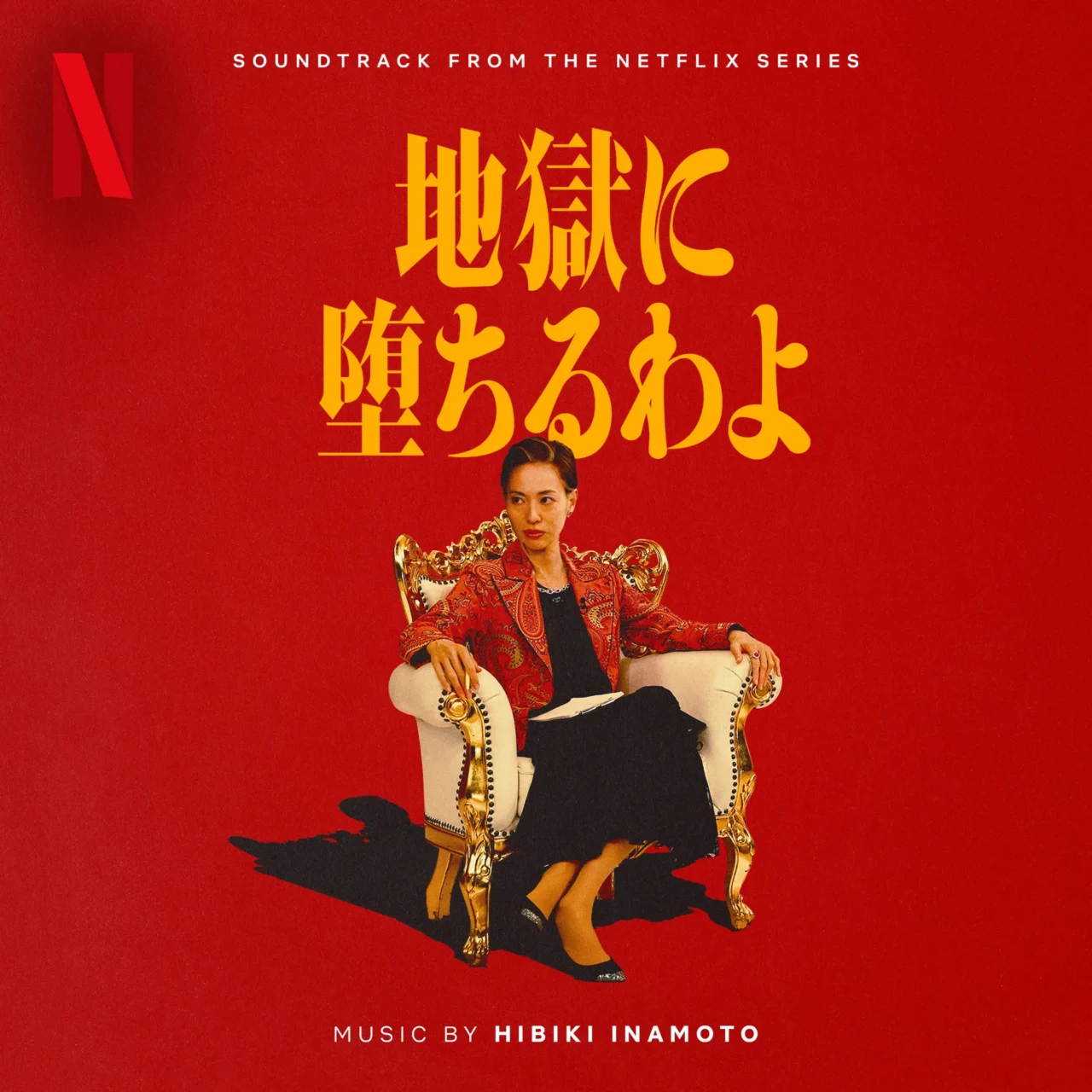

Netflix Drama Turns a Controversial Life Into Addictive Television
Netflix’s Japanese prestige drama Straight to Hell has quickly become one of the most talked-about series of the year. Stylish, intense, and emotionally layered, the show tells the story of Kazuko Hosoki, one of Japan’s most controversial fortune tellers and media personalities.
Directed by Norichika Oba and Tomoyuki Takimoto, the series avoids becoming a simple biography. Instead, it becomes a sharp study of ambition, survival, manipulation, and social change in modern Japan.
Kazuko Hosoki was not just a fortune teller. She was a cultural force. She understood fear, money, loneliness, and desperation. She used those emotions to build an empire.
The drama explores how she rose from hardship to fame, but it does not present her journey as a glamorous success story. It shows the darker price of power. It also questions whether Kazuko was a victim of her time, a clever survivor, or a dangerous manipulator.
That moral tension makes Straight to Hell deeply engaging.
Erika Toda Delivers a Powerful Performance
Erika Toda gives a remarkable performance as Kazuko Hosoki.
She plays the character across different stages of life with stunning control. The younger Kazuko feels charming, vulnerable, intelligent, and hungry for a better future. She is easy to understand, even when her choices begin to turn questionable.
The older Kazuko is very different. She is colder, sharper, and more controlled. Her warmth has been replaced by authority. Her kindness has been replaced by calculation.
Toda makes both versions feel connected. Viewers can clearly see how pain, betrayal, and ambition slowly harden the character over time.
This transformation is one of the strongest parts of the series. It never feels exaggerated. It feels natural, painful, and believable.
Yakuza, Media, and Japan’s Changing Society
The series also gives a rich look at Japan’s changing social and economic landscape.
As Kazuko enters the nightlife and entertainment world, the show reveals the influence of organised crime, powerful businessmen, and political connections. The Yakuza are not shown as simple villains. They are shown as part of a larger system of power.
Through Kazuko’s rise, the drama explores how business, media, crime, and public belief often overlap. It shows a world where fear can be sold, trust can be monetised, and image can become more powerful than truth.
The show’s visual style also adds to its impact. Each era has its own mood, colour, and rhythm. The nightlife scenes are vibrant and fast-paced. The later media years feel colder, sharper, and more controlled.
The costume design is especially impressive. Kazuko’s wardrobe becomes a visual symbol of her transformation from survivor to power figure.
A Dark, Stylish, and Unforgettable Character Study
Straight to Hell works because it refuses to give easy answers.
It does not excuse Kazuko’s actions. It also does not reduce her to a simple villain. Instead, it shows how a harsh society can create people who learn to survive by becoming ruthless.
The series moves smoothly through decades of Japanese history. It shifts between personal drama, crime thriller, media satire, and psychological study without losing focus.
By the end, viewers may not admire Kazuko. But they will understand how she became who she was.
That is the real strength of the drama.
Straight to Hell is more than a story about wealth and fame. It is a powerful look at ambition, gender, survival, and the dangerous business of belief. With Erika Toda’s unforgettable performance and its sharp storytelling, the series stands out as one of Netflix’s strongest international dramas.

