
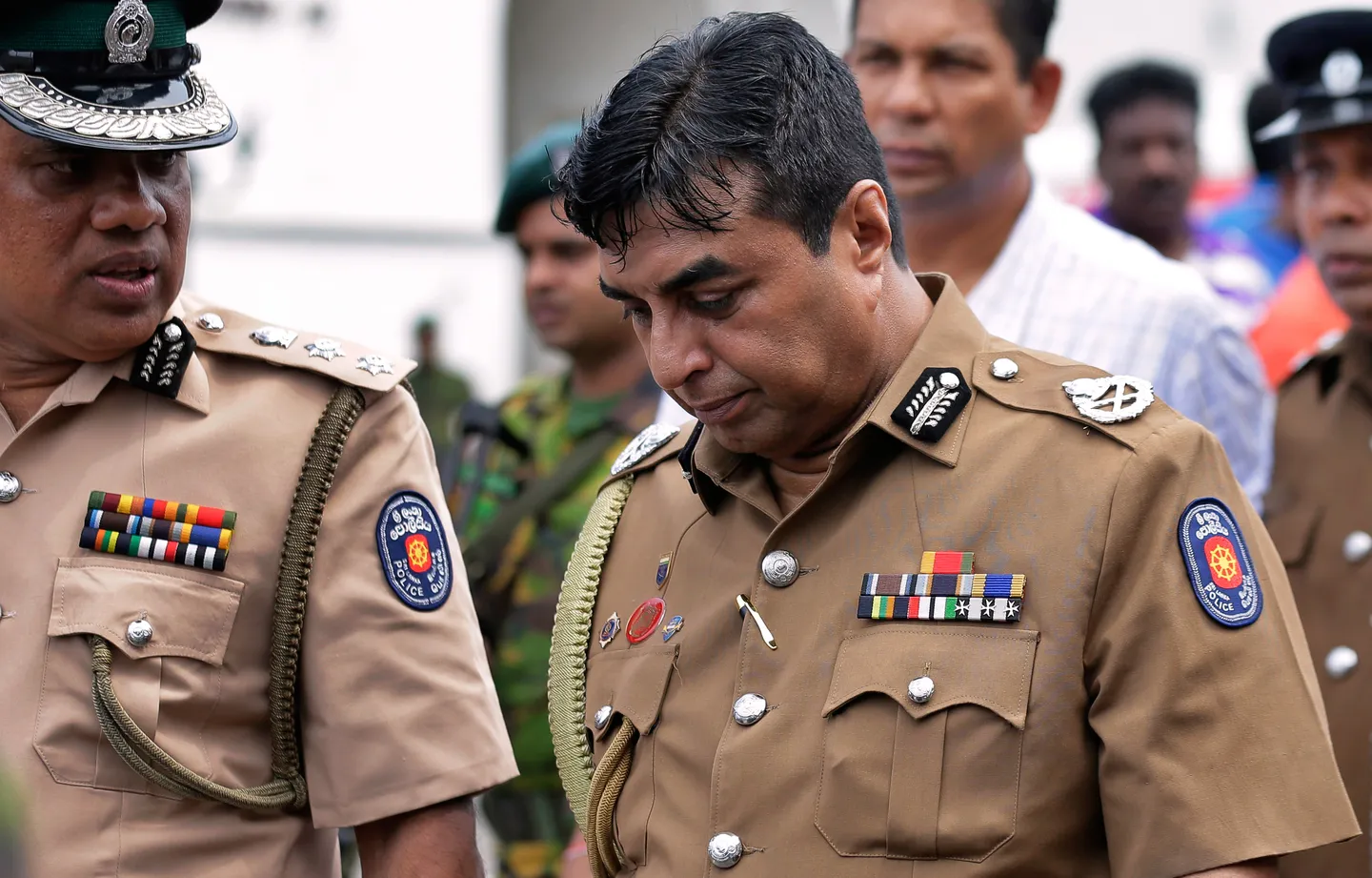

Judgement marks latest step in accountability efforts linked to the 2019 attacks
COLOMBO: A Sri Lankan court has sentenced former Inspector General of Police Pujith Jayasundara to death after finding that he failed to prevent the 2019 Easter Sunday bombings despite receiving advance intelligence warnings.
A three-judge bench ruled by majority that Jayasundara neglected his official duties, contributing to the coordinated attacks that killed 279 people and injured more than 500 others. The victims included 45 foreign nationals.
Jayasundara, 66, has the right to appeal the verdict before Sri Lanka’s Supreme Court.
The Easter Sunday bombings, carried out on April 21, 2019, targeted three churches and three hotels across the country, making them among the deadliest terrorist attacks in Sri Lanka’s history.
Investigation expands into broader conspiracy allegations
Friday’s ruling comes months after Sri Lanka’s Criminal Investigation Department arrested former intelligence chief Suresh Sallay on allegations of conspiracy and aiding and abetting the attacks.
Authorities are continuing to investigate whether members of the country’s security establishment played any role in the bombings or failed to act on intelligence that could have prevented them.
The wider investigation has also examined allegations made by a whistleblower, who claimed Sallay allowed the attacks to proceed to influence the 2019 presidential election in favour of former President Gotabaya Rajapaksa. Sallay has denied wrongdoing, and the allegations remain subject to ongoing legal proceedings.
Death penalty rarely carried out
During earlier parliamentary inquiries, Jayasundara and other senior officials testified that then-President Maithripala Sirisena failed to follow established national security procedures and did not act on intelligence warnings before the attacks.
Although Sri Lanka retains capital punishment in its legal system, the country has not carried out an execution since 1976. In practice, death sentences are generally commuted to life imprisonment.
The latest judgement represents another significant development in Sri Lanka’s years-long effort to determine responsibility for the Easter Sunday bombings and hold senior officials accountable for alleged failures that preceded one of the country’s worst acts of terrorism.
Jayasundara’s legal team is expected to challenge the conviction through the appeals process before the Supreme Court.

