
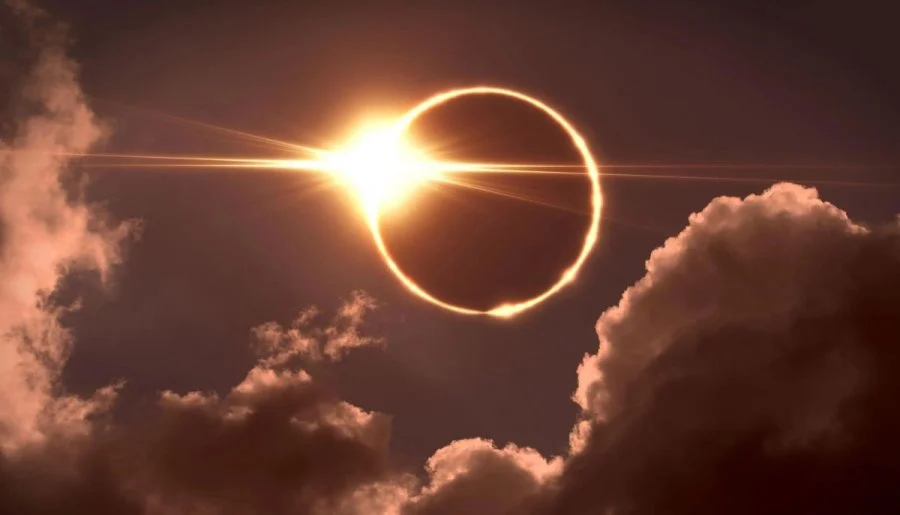

Spain will witness a historic total solar eclipse on August 12, 2026 — the first in more than a century. Residents along the northern path will experience two minutes of complete darkness as the moon fully covers the sun.
Path crosses major cities
The eclipse will travel from Spain’s Atlantic coast to the Mediterranean, passing through key cities including Bilbao, Zaragoza, Valencia, and Palma de Mallorca. Madrid and Barcelona residents will see a near-total 99.99% partial eclipse. Experts advise viewers to find open western spaces free from buildings, trees, or mountains since the sun will sit low at only 11 degrees above the horizon.
Moreover, the Spanish government selected the Yebes Observatory in Guadalajara as the main monitoring station because of its advanced radio astronomy facilities. Hotels and accommodations in prime viewing areas have already raised prices due to high demand. This event marks the first of three significant eclipses Spain will host by 2028, including another total eclipse in 2027.
Never view with naked eye
It is extremely dangerous to look directly at the solar eclipse with the naked eye. Even brief exposure during partial phases can cause permanent eye damage known as solar retinopathy. The sun’s rays can burn the retina without any immediate pain, and symptoms may appear only hours later.
Experts strongly recommend using certified eclipse glasses or solar filters that meet international ISO standards. Regular sunglasses offer no protection. Many also suggest building a simple pinhole projector, which safely projects the sun’s image onto a surface for indirect viewing.
This rare celestial event has generated huge excitement across Spain and beyond. Scientists and astronomy enthusiasts now prepare eagerly while authorities focus on public safety awareness. Millions hope for clear skies on the big day to witness this unforgettable natural phenomenon.

