
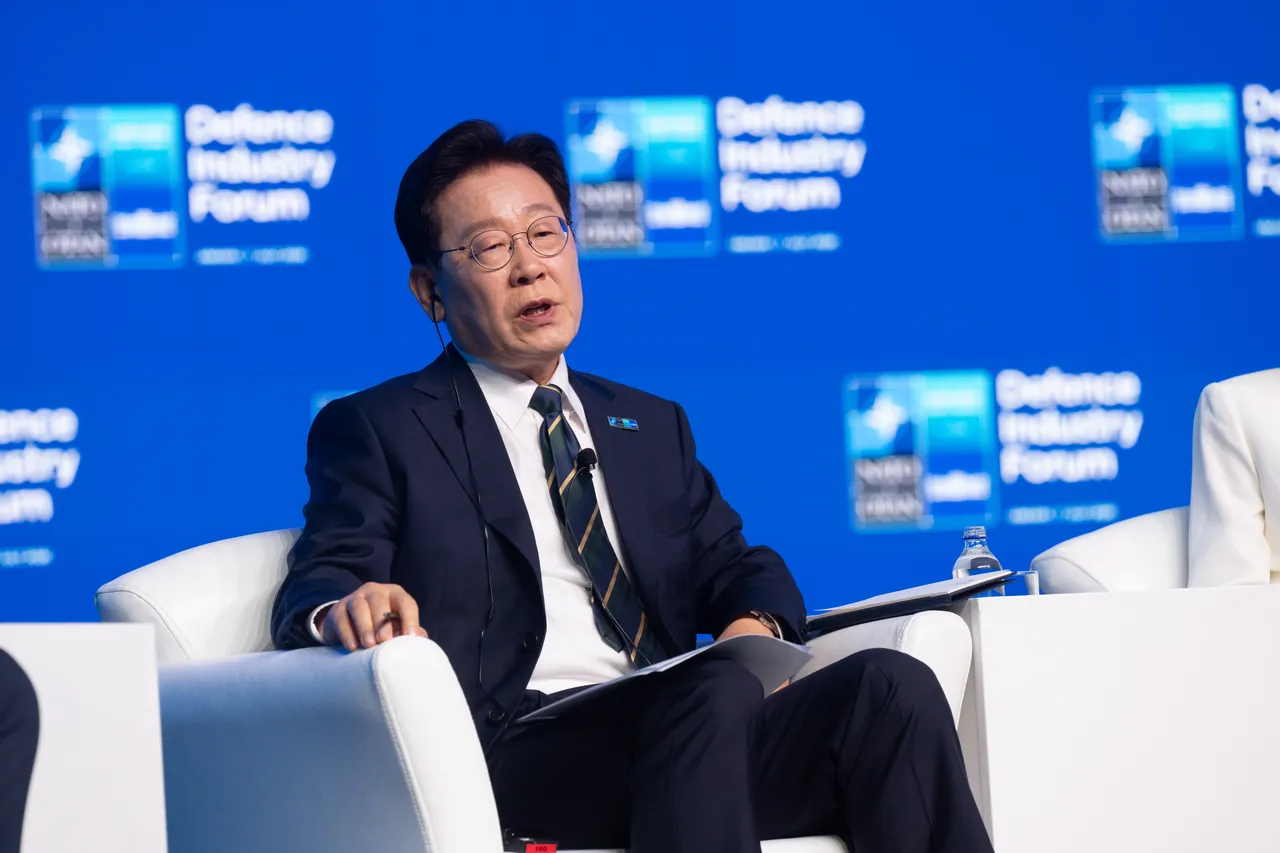

Geopolitical tensions are rising rapidly across the globe. Consequently, democratic nations are looking for stronger, modern security alliances. South Korean President Lee Jae-myung recently addressed this critical issue. He called for a major shift in how allies approach global military cooperation.
During a major summit speech, Lee proposed a new “Defence Industrial Partnership 2.0” with global partners. He explained that modern conflicts require countries to move past traditional weapons trading. Instead, nations must build deeply trusted industrial networks. These networks will sustain innovation and secure vital supply chains.
“Wars are no longer decided only on the battlefield,” Lee said. “Research laboratories developing advanced technologies and industrial facilities producing weapons have become the new frontlines of national security.”
The Power of Shared Technology and Trust
According to the South Korean leader, conventional military power is no longer enough. Artificial intelligence and resilient supply chains are now equally vital for deterrence. However, building these advanced systems requires deep international trust.
“Without trust, genuine solidarity and cooperation cannot exist,” he said.
Therefore, Lee wants to expand joint research in emerging technologies. He suggested harmonizing technical standards between democratic allies. Furthermore, he urged partners to change their current cooperation models.
“I propose that we establish a NATO Defence Industrial Partnership 2.0 under which we jointly research, jointly produce and jointly operate defence systems,” he said.
To achieve this goal, Lee drew a parallel to global energy management. The International Energy Agency coordinates strategic petroleum reserves during emergencies. Similarly, the defence sector could create cooperative mechanisms to improve resilience during major international crises.
Funding the Future of Defence
Sustained government demand is essential for expanding these advanced industries. South Korea plans to increase its defence spending significantly. The nation will boost spending from 2.3 percent of GDP to approximately 3.5 percent. Long-term commitments give companies the confidence to invest.
“Governments have an essential role in creating and supporting this system of collaboration,” he said.

