
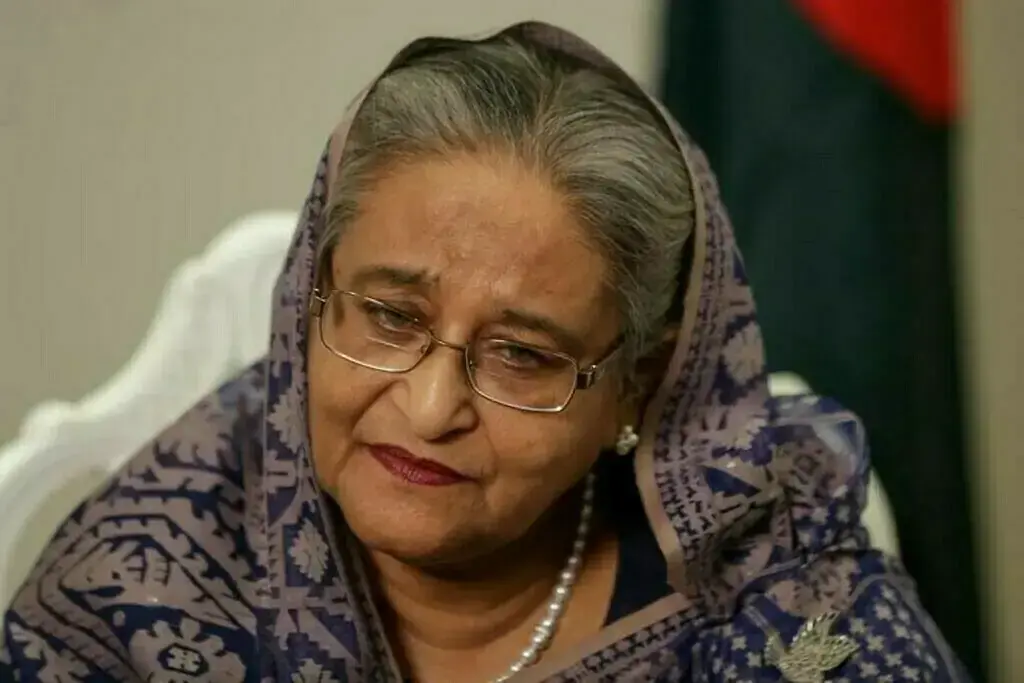

Former prime minister says Awami League leaders will face court as political tensions remain high
NEW DELHI: Former Bangladeshi Prime Minister Sheikh Hasina has announced plans to return from exile in India later this year and voluntarily surrender before the courts, despite facing a death sentence and the continued ban on her Awami League party.
Speaking in a telephone interview with Reuters, the 78-year-old former leader said she and several senior Awami League figures intend to return to Bangladesh around December. She acknowledged the risks involved, saying she could be arrested or even killed upon her arrival but insisted she wanted to face the legal process in her homeland.
Hasina said many party leaders and workers continue to face severe political pressure and legal action. She added that she wished to return because Bangladesh is where her family is buried and where she believes her political struggle belongs.
The announcement marks the first time Hasina has publicly outlined a timeline for returning since leaving Bangladesh in 2024 after nationwide protests ended her two decades in power across multiple terms.
Legal challenges and diplomatic implications
Bangladesh’s war crimes tribunal sentenced Hasina to death in absentia last year over allegations linked to a deadly crackdown on anti-government protests. She has consistently rejected the charges, describing the judicial process as politically motivated.
Her planned return could deepen political divisions while also influencing relations between Bangladesh and India. Dhaka has repeatedly requested her extradition, while New Delhi has maintained that it is reviewing the matter.
Calls for public judgment
Hasina argued that voters, rather than political rivals, should determine the future of her party. Although she acknowledged that legal rulings could prevent her from contesting future elections, she questioned the continued suspension of the Awami League.
The former prime minister also revealed that she has continued organising party activities through online meetings covering constituencies across Bangladesh. She maintained that if her government made mistakes during its years in office, the final judgment should rest with the people through democratic processes rather than political exclusion.

