
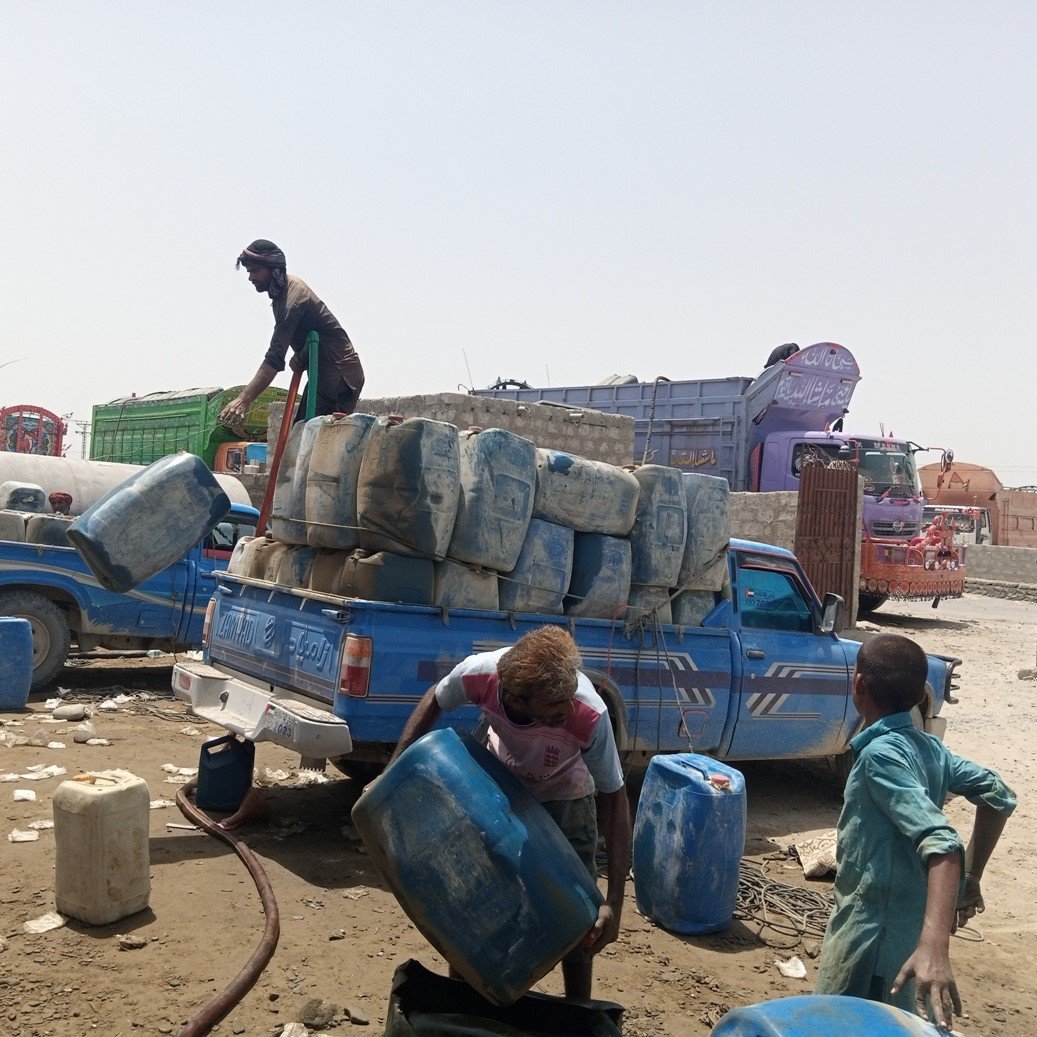

A heated Senate Standing Committee on Interior meeting triggered sharp criticism against authorities after lawmakers revealed reports of smuggled Iranian oil worth nearly Rs. 222 million entering Pakistan. Senators expressed anger over weak border controls, alleged corruption inside government institutions, and poor enforcement against illegal fuel trade networks.
The meeting also exposed serious concerns regarding the Federal Board of Revenue (FBR). Lawmakers questioned how some officials allegedly accumulated massive wealth despite modest government salaries. Committee members demanded strict investigations into suspicious assets, tax irregularities, and enforcement failures linked to smuggling operations across the country.
The developments have once again placed Pakistan’s anti-smuggling policies under intense public and political scrutiny.
Senators Question How Smuggled Iranian Oil Crossed Into Pakistan
During the committee session, officials informed lawmakers that authorities had seized Iranian oil valued at approximately Rs. 222 million. However, senators reacted strongly after learning that large quantities of illegal fuel still managed to enter local markets.
Committee members expressed frustration over reports suggesting certain border districts were unofficially allowed to handle petroleum-related activities. One lawmaker stated that when the Ministry of Interior was contacted for clarification, officials denied granting any such permission.
The contradiction immediately raised concerns among senators. They questioned whether unauthorized networks were operating with political protection or administrative support.
Lawmakers stressed that fuel smuggling continues to damage Pakistan’s economy. Illegal fuel trade weakens tax collection, hurts legal businesses, and creates major financial losses for the national treasury.
Additionally, senators warned that smuggling networks often expand into broader criminal operations. Therefore, they called for stronger border monitoring and improved coordination among law enforcement agencies.
Pakistan has launched several crackdowns against Iranian diesel and petrol smuggling over recent years, especially in Balochistan. However, illegal fuel continues reaching informal markets through hidden supply chains and cross-border routes.
Committee members argued that existing enforcement efforts remain insufficient.
FBR Officials Face Serious Allegations Over Wealth and Tax Irregularities
The Senate committee also shifted focus toward alleged corruption and irregularities inside the Federal Board of Revenue. Lawmakers raised tough questions regarding tax enforcement, warehouse management, and unexplained wealth among officials.
Senator Saifullah Abro claimed that some FBR officials deliberately inflated tax assessments in certain cases. He also alleged that serious irregularities existed inside warehouses operated by the tax authority across Pakistan.
Meanwhile, Senator Talha Mahmood questioned how officials earning ordinary government salaries allegedly acquired luxury vehicles and expensive assets worth millions of rupees.
He urged authorities to investigate officers whose lifestyles appeared inconsistent with their declared income.
The discussion intensified further when lawmakers reviewed an ongoing Federal Investigation Agency inquiry involving an FBR official identified as Badshah Khan Wazir.
Senator Saifullah Abro stated that officials facing serious investigations should immediately be suspended until inquiries conclude. Senators expressed concern that the officer continued serving as Member Legal within the FBR despite the ongoing case.
Committee members argued that public trust in state institutions continues to weaken when accused officials remain in powerful positions during investigations.
As a result, lawmakers demanded stricter accountability measures and transparent internal oversight systems.
Lawmakers Warn Smuggling Networks Are Becoming More Visible Online
The committee also discussed cigarette smuggling and tax evasion linked to Pakistan’s tobacco sector. Senators questioned whether some factory owners directly participated in illegal trade activities.
Lawmakers criticized weak enforcement policies and poor implementation by the FBR. They warned that loopholes in the system allow smuggling networks to grow stronger while government revenues decline.
Additionally, senators raised alarm over the increasing visibility of alleged smugglers on social media platforms.
Senator Saifullah Abro remarked that many suspected smugglers openly share videos online while presenting themselves as influential public figures. He said such behavior reflects weakening fear of law enforcement among criminal networks.
Committee members argued that authorities must take stronger action before smuggling operations expand further across multiple industries.
The Senate meeting ended with growing pressure on enforcement agencies to improve accountability, strengthen border controls, and restore public confidence in Pakistan’s financial and security institutions.

