
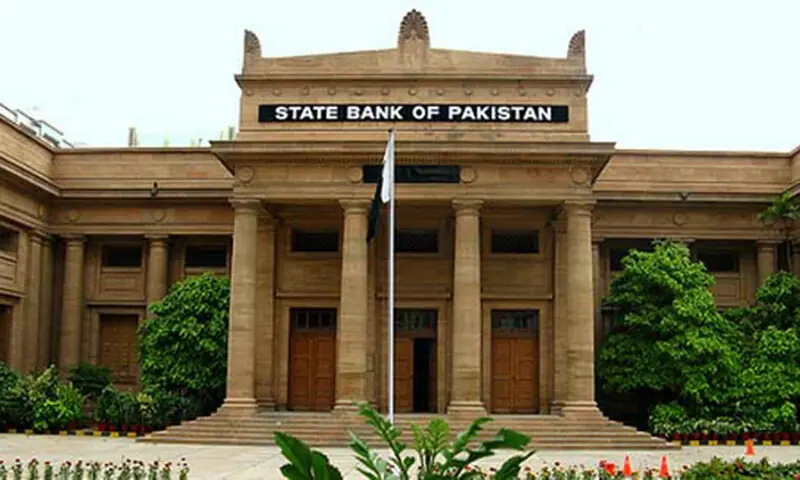

The State Bank of Pakistan on Monday increased its key policy rate by 100 basis points to 11.5 percent, marking the first hike in nearly three years. The Monetary Policy Committee announced the decision after its latest meeting, with the new rate taking effect from Tuesday.
Inflation risks drive policy shift
The central bank acted as rising global oil prices, partly linked to tensions involving the United States and Israel with Iran, threaten to push domestic inflation higher. Pakistan, which relies heavily on imports, remains particularly vulnerable to external price shocks.
Moreover, inflation has already exceeded the bank’s target range. Consumer prices rose 7.3 percent year-on-year in March, surpassing the 5 to 7 percent goal. Some analysts warn inflation could approach 10 percent in April, adding urgency to policy tightening.
In addition, the move aligns with market expectations. Analysts, including those at Tresmark, had anticipated a 100 basis point increase as a pre-emptive measure. They argue the hike aims to stabilize financial flows, counter inflationary pressures, and keep pace with rising global bond yields.
Economic impact and outlook
Meanwhile, higher interest rates may benefit exporters and remittance inflows by offering better returns. However, they also increase borrowing costs for businesses and consumers, potentially slowing economic activity.
Furthermore, the government could face a heavier debt burden, as it relies significantly on domestic borrowing to manage liquidity. This could complicate fiscal planning in the months ahead.
The decision also reflects guidance from the International Monetary Fund, which has urged Pakistan to maintain a positive real interest rate and avoid premature easing.
Overall, the rate hike signals a shift toward tighter monetary policy as authorities attempt to balance inflation control with economic stability.

