
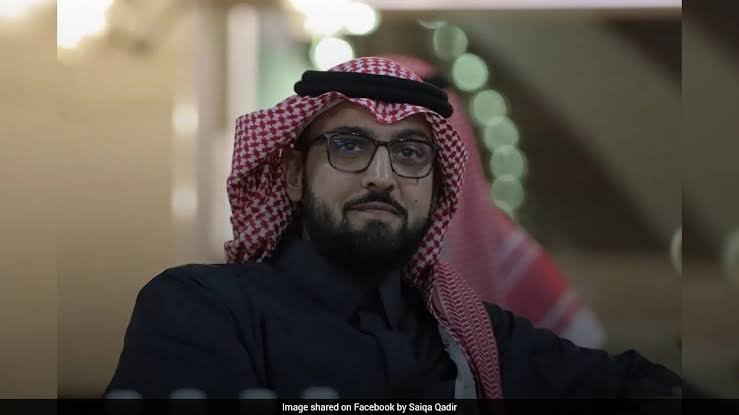

Prince Found Unresponsive in Kensington Hotel
A 29-year-old Saudi prince died after consuming a dangerous combination of alcohol, recreational drugs and prescription medication.
Prince Abdullah bin Fahad bin Abdullah bin Abdulaziz bin Jalawi Al Saud was found inside his room at the Marriott Hotel in Kensington, west London.
The incident occurred on November 25, 2025.
The prince had checked into the hotel on November 19 for a one-week stay.
Security footage showed him leaving the hotel to smoke a cigarette on the evening before his death.
A cleaner later entered his locked fifth-floor room and found him fully clothed on the bathroom floor.
Hotel security personnel and ambulance workers attempted to revive him.
However, he was pronounced dead at the scene.
Toxicology Tests Reveal Fatal Substance Combination
An inquest at Inner West London Coroner’s Court examined the circumstances surrounding the death.
Toxicology tests found 222 milligrams of alcohol per 100 millilitres of blood.
The level was almost three times England’s legal drink-driving limit of 80 milligrams.
Medical evidence presented during the hearing indicated that this alcohol level alone could have caused a coma.
Tests also detected a potentially fatal concentration of gamma-hydroxybutyrate, commonly known as GHB.
Traces of cannabis, alprazolam and other anti-anxiety medications were also found.
Alprazolam is commonly sold under the brand name Xanax.
The combination of alcohol, GHB and prescription medication significantly increased the risk of respiratory failure, unconsciousness and cardiac arrest.
The medical cause of death was recorded as multi-drug ingestion.
Coroner Rules Death Was Not Intentional
The court heard that the prince had previously struggled with alcohol and Xanax use.
He received treatment at the Priory Clinic in Roehampton during August 2025.
The treatment included detoxification from alcohol, benzodiazepines and pregabalin.
A consultant psychiatrist said he responded well to treatment and completed the detoxification process without serious physical complications.
He was not considered at risk of suicide when he left the clinic.
However, he later failed to attend scheduled online follow-up appointments.
Assistant Coroner Jean Harkin found no evidence that the prince intended to take his own life.
Investigators also found no indication that another person was involved in his death.
The coroner recorded a conclusion of death by misadventure.
The ruling indicated that the prince died unintentionally after consuming a fatal combination of substances.

