
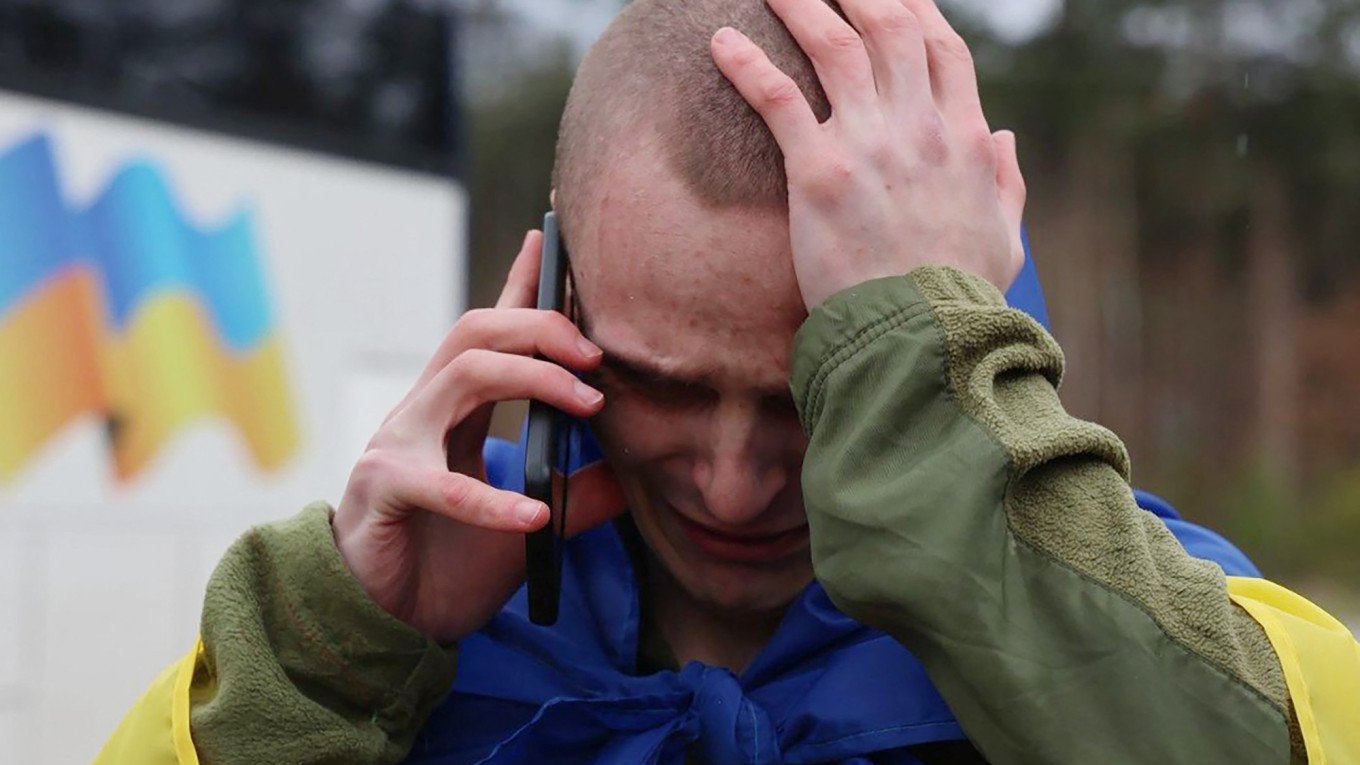

Russia and Ukraine carried out a 175-for-175 prisoner-of-war exchange on Saturday, according to the Russian Defence Ministry, marking another step in ongoing humanitarian efforts amid the prolonged conflict.
The swap, which had been anticipated following earlier media reports, was finalised with the mediation of the United Arab Emirates. Officials confirmed that 175 Russian servicemen were released in exchange for an equal number of Ukrainian personnel, reflecting continued, albeit limited, cooperation between the two sides.
In addition, Russian authorities stated that seven civilians from the Kursk region, who had been detained during Ukraine’s 2024 cross-border incursion, were also returned. The development was highlighted as the final repatriation of Kursk residents still held in Ukrainian custody.
Meanwhile, Russian Human Rights Commissioner Tatiana Moskalkova said she was travelling to Belarus to meet the returning individuals. She noted that their release marked the conclusion of a prolonged effort to secure the return of civilians affected by the incursion.
According to official statements, the released Russian servicemen are currently in Belarus, where they are receiving psychological and medical assistance before being transported back to Russia. Upon their return, they are expected to undergo further rehabilitation and treatment at facilities operated by the defence ministry.
Similarly, Ukrainian authorities are expected to process and support their returning personnel, although details from Kyiv regarding their condition and reintegration plans were not immediately available.
This latest exchange follows a previous 300-for-300 prisoner swap conducted on March 6, underscoring a pattern of negotiated releases despite ongoing hostilities. While such exchanges do not signal a broader resolution to the conflict, they are often viewed as confidence-building measures that can help maintain limited channels of communication.
As the war continues, prisoner swaps remain one of the few areas where both sides have demonstrated a willingness to cooperate, offering rare moments of relief for affected families and communities.

