

Pakistan Intensifies Mediation Efforts Amid Fragile Diplomatic Progress
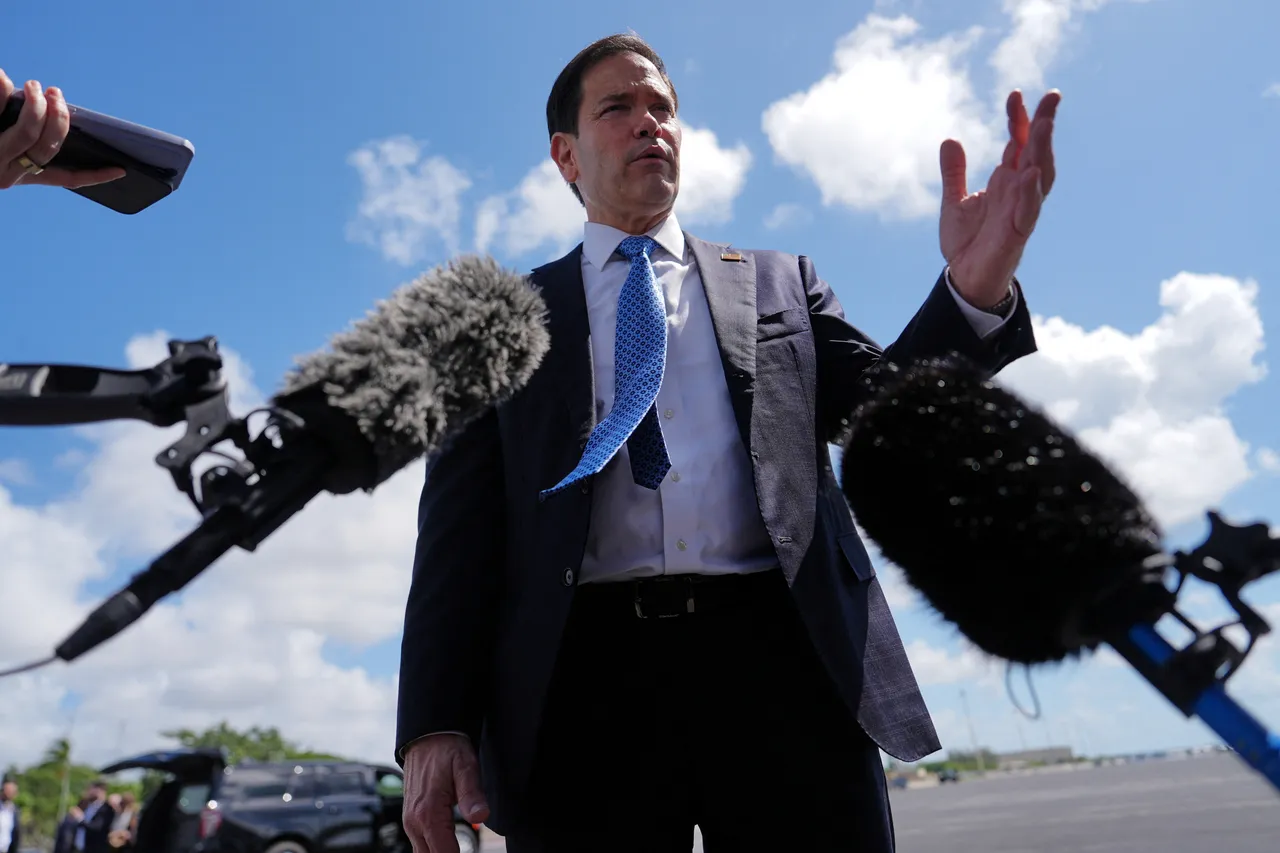
US Secretary of State Marco Rubio expressed cautious optimism on Thursday about progress toward ending the US-Israeli conflict with Iran as Pakistan’s Army Chief Field Marshal Asim Munir prepared for talks in Tehran.
Munir’s expected visit comes amid growing diplomatic efforts to preserve a fragile ceasefire and prevent renewed military escalation. His role has expanded significantly in Pakistan’s foreign engagement, particularly during efforts to mediate between Washington and Tehran.
Speaking to reporters, Rubio said he expected Pakistani officials to arrive in Tehran and expressed hope that the visit would help move discussions forward.
“There are some positive signs,” Rubio said. However, he cautioned against excessive optimism and urged patience over the coming days.
Earlier, US President Donald Trump warned that negotiations remained on the “borderline” between reaching an agreement and returning to military action.
Pakistan previously brokered a ceasefire on April 8 that temporarily ended the war launched weeks earlier by the United States and Israel. Nevertheless, subsequent negotiations have yet to secure a lasting settlement.
Hormuz Dispute and Rising Economic Pressure Continue to Complicate Talks
Although direct military confrontation has subsided, diplomatic tensions continue to create uncertainty across global markets and energy sectors.
Iran’s ISNA news agency reported that Munir’s visit aims to continue consultations with Iranian officials. Pakistan had also hosted direct negotiations between US and Iranian representatives in April, although those talks ultimately collapsed after Tehran accused Washington of imposing excessive demands.
Meanwhile, Iranian officials warned of consequences if hostilities resumed. Senior Iranian negotiator Mohammad Bagher Ghalibaf accused Washington of attempting to reignite conflict and promised a “forceful response” if Iran faced another attack.
The future of the Strait of Hormuz also remains a major obstacle in negotiations. Iran’s restrictions on maritime traffic continue affecting energy supplies and trade routes, increasing concerns about inflation, food prices, and broader economic instability.

