
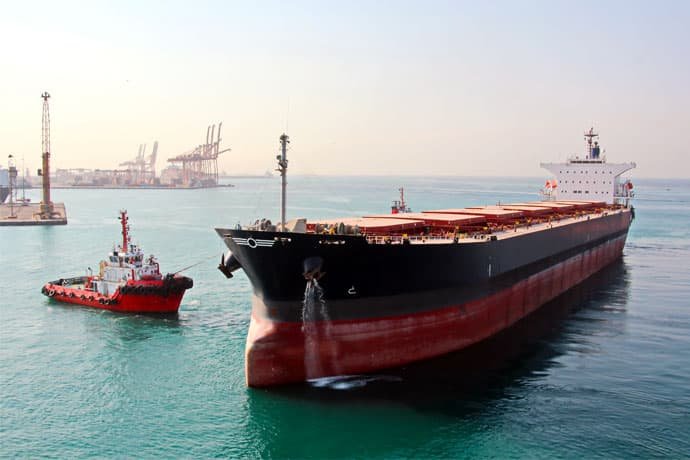

A senior foreign correspondent for The Telegraph has described a tense and highly unusual reporting assignment conducted entirely from a small boat in the Strait of Hormuz. The journalist, positioned in one of the world’s most sensitive maritime corridors, witnessed a dramatic show of force as hundreds of fast-moving vessels surrounded the reporting team.
Initially, the assignment aimed to capture daily shipping activity through the narrow waterway, a critical route for global oil transport. However, the situation quickly escalated. Swarms of speedboats, believed to be linked to Iranian naval units, began closing in from multiple directions. The reporter noted that the vessels moved with precision and coordination, creating an atmosphere of controlled intimidation.
As the encounter unfolded, the crew maintained course while documenting the events. Meanwhile, the presence of the boats highlighted ongoing tensions in the region. The Strait of Hormuz has long served as a geopolitical flashpoint, and such displays underscore the fragile balance between surveillance and confrontation.
Furthermore, the journalist emphasized the risks involved in frontline reporting under such volatile conditions. Despite the pressure, the team continued filming and relaying observations, offering rare insight into maritime security dynamics. The incident did not escalate into direct conflict; however, it reinforced concerns among international observers about the potential for miscalculation.
Ultimately, the report sheds light on the challenges journalists face while covering high-stakes environments. It also illustrates how quickly routine assignments can transform into moments of uncertainty in contested waters.

