
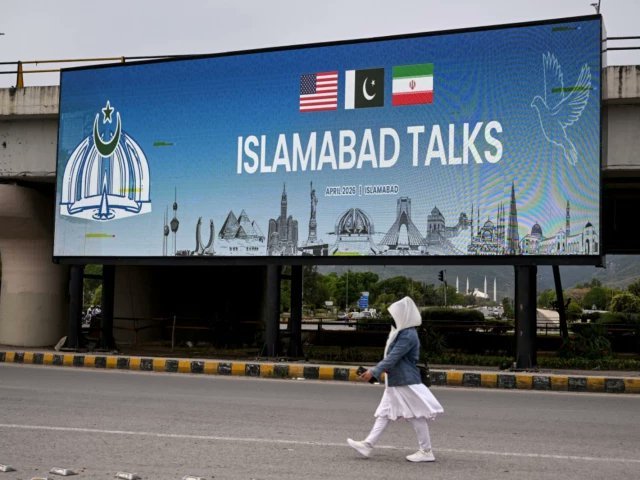

Amid ongoing focus on Iran-US negotiations, a quieter but significant diplomatic development is taking shape. Pakistan, Turkiye, Egypt, and Saudi Arabia are steadily advancing toward formalizing a new quadrilateral framework aimed at strengthening coordination on regional diplomacy and security. Officials familiar with the matter say the initiative reflects growing urgency among key states to respond collectively to fast-changing dynamics in the Middle East.
The proposed framework seeks to enhance strategic dialogue and policy alignment among the four countries. In recent months, representatives have increased consultations, focusing on shared concerns such as regional stability, conflict management, and economic cooperation. Consequently, the effort signals a shift toward more structured collaboration rather than ad hoc coordination. Observers note that each country brings distinct geopolitical influence, making the grouping potentially significant in shaping regional outcomes.
Meanwhile, rapid developments across the Middle East have accelerated these efforts. Ongoing conflicts, shifting alliances, and uncertainty surrounding global power involvement have prompted regional actors to diversify diplomatic channels. Therefore, this emerging bloc could serve as a platform for joint responses to crises and a mechanism to balance external pressures.
Although officials have not publicly announced a formal agreement, discussions appear to be progressing steadily. Analysts suggest that the framework may initially focus on informal coordination before evolving into a more institutionalized partnership. In addition, economic and security cooperation could expand over time, depending on regional needs.
Overall, the initiative underscores a broader trend of regional powers seeking greater autonomy and collective influence in managing evolving geopolitical challenges.

