
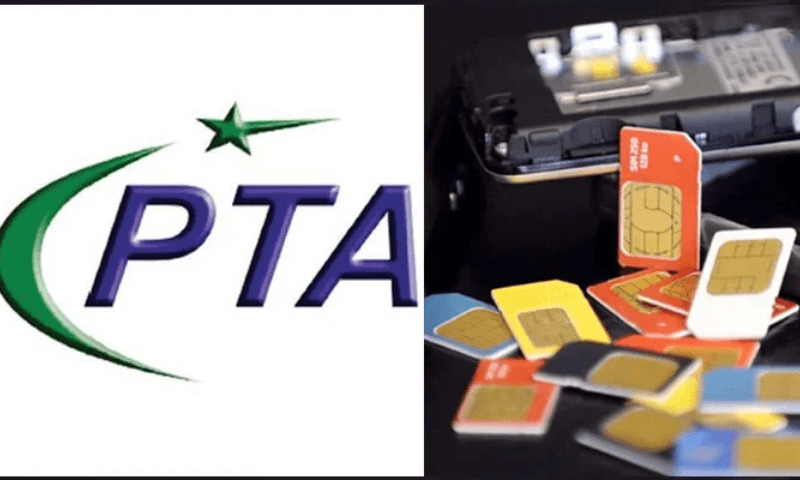

The Pakistan Telecommunication Authority (PTA) has issued a fresh warning against the illegal buying and selling of foreign SIM cards in Pakistan, highlighting serious security threats and possible legal consequences.
The telecom regulator urged citizens to avoid unauthorized foreign SIM connections and use only properly registered mobile numbers.
According to a public advisory reported on Monday, November 2, 2026, foreign SIM cards can be exploited for financial fraud, identity misuse and other criminal activities.
Why Has PTA Warned Against Foreign SIM Cards?
The authority warned that illegally traded foreign SIM cards can create difficulties in identifying individuals involved in unlawful communications.
Criminal networks may exploit such connections to conduct fraudulent transactions, send suspicious messages or conceal their identities.
PTA emphasized that purchasing SIM cards through unauthorized sellers could expose consumers to financial and legal risks.
Can Foreign SIM Buyers Face Penalties?
The regulator has previously warned that individuals involved in illegal foreign SIM trading may face legal proceedings.
Depending on the violation, consequences could include fines, imprisonment or service disconnection.
However, the latest advisory does not specify new penalties or announce a blanket ban on legitimate international roaming.
PTA Urges Citizens to Use Registered SIM Cards
PTA advised mobile subscribers to purchase connections through authorized operators and registered outlets.
Users should also ensure that their SIM cards are registered under their own identities through proper verification procedures.
The authority stressed that responsible SIM ownership can help prevent identity theft and telecommunications fraud.
Pakistan Intensifies Crackdown on Illegal SIMs
Earlier enforcement operations targeted unauthorized SIM sellers across Pakistan.
During the first seven months of 2026, authorities blocked more than 1.83 million SIM connections linked to registration violations.
PTA has reiterated its commitment to protecting consumers and strengthening telecommunications security.

