
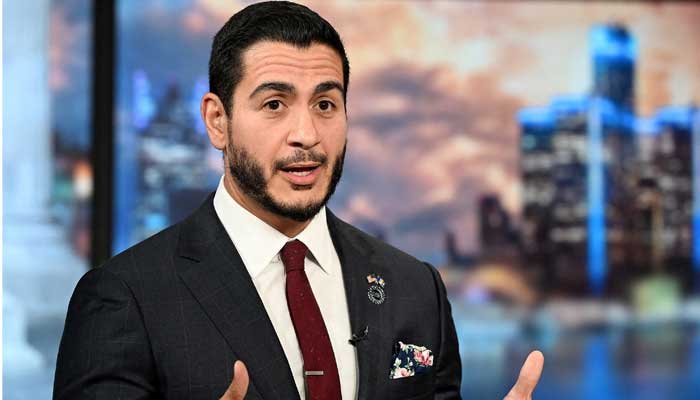

Closely watched contest highlights debate over party direction ahead of November election
WASHINGTON: Progressive candidate Abdul El-Sayed held a slim lead over US Representative Haley Stevens in Michigan’s Democratic US Senate primary on Tuesday, although the closely contested race remained too early to call as vote counting continued.
With about 70% of the estimated ballots counted, CNN projected El-Sayed ahead with 49.8% of the vote compared with Stevens’ 46.3%. The winner will face Republican Mike Rogers in November in a contest considered crucial to Democratic efforts to regain control of the US Senate.
The primary has become one of the Democratic Party’s most closely watched races, reflecting a broader struggle between progressive and moderate factions. El-Sayed campaigned on lowering living costs, expanding healthcare access and reducing the influence of money in politics, while Stevens received support from Democratic establishment figures and pro-Israel organizations.
Economic concerns dominate campaign
Michigan, a key presidential battleground with one of the nation’s largest Arab American communities, has served as an important testing ground for the party’s future direction. While US policy toward Israel featured prominently during the campaign, candidates also focused heavily on inflation, healthcare, housing costs and economic security.
Representative Debbie Dingell, who remained neutral in the primary, urged Democrats to unite behind the eventual nominee, emphasizing that concerns over groceries, fuel, rent and healthcare would likely shape the November election.
Recent Reuters/Ipsos polling showed declining Democratic support for Israel while revealing growing backing for policies including universal healthcare, expanded abortion rights and higher taxes on corporations and wealthy Americans.
Results expected to influence future strategy
Political analysts believe the outcome could shape Democratic strategy ahead of the 2028 presidential race. A victory for El-Sayed would likely strengthen arguments in favor of economic populism, anti-establishment messaging and a tougher stance on US policy toward Israel.
Meanwhile, voters also participated in congressional primaries across Virginia, Missouri, Kansas and Washington state. Several competitive House races could influence control of the chamber in November. In Missouri, Representative Wesley Bell defeated progressive challenger Cori Bush in a Democratic primary rematch, while Democrats selected nominees in key Virginia districts expected to remain competitive in the general election.

