
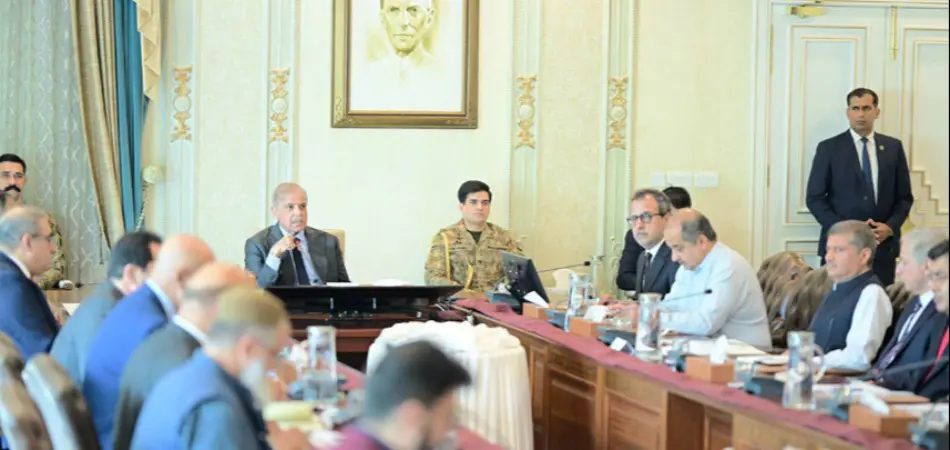

Prime Minister Shehbaz Sharif has reaffirmed his commitment to renewable infrastructure. Specifically, he stated that expanding clean, affordable, and sustainable solar power remains a central pillar of Pakistan’s national energy policy. He shared these views while chairing a high-level review meeting in Islamabad. The session focused primarily on the progress of Gilgit-Baltistan’s 100-megawatt solar power initiative.
Furthermore, the prime minister termed the project a federal gift to the people of Gilgit-Baltistan. He emphasized the urgent need to extend reliable green energy to remote mountainous regions. Consequently, he directed the Power Division to strictly fulfill its operational responsibilities. He also demanded that they guarantee a timely execution without any bureaucratic delays.
Mandating Absolute Financial Transparency and Accountability
To protect public funds, the prime minister laid down strict conditions for the project’s financial management. Specifically, he instructed authorities to maintain absolute transparency throughout the procurement process.
“All financial payments should only be released after independent third-party validation has been carried out,” Sharif stated during the meeting.
Therefore, he noted that such rigorous oversight measures are vital. They help uphold public accountability and prevent fiscal mismanagement in large-scale state infrastructure.
Phased Project Layout to Support 1.3 Million Residents
During the session, relevant officials presented a comprehensive breakdown of the initiative’s current progress. This execution plan relies heavily on a two-pronged development strategy. This approach will optimize local power distribution.
-
Rooftop Systems with Storage: First, contractors will equip 499 government buildings with 18 megawatts of rooftop solar installations. Crucially, these systems include integrated battery storage facilities. Engineers expect to finish this phase by December of this year. As a result, the move will drastically reduce the state’s reliance on the expensive traditional grid.
-
Utility-Scale Framework: Meanwhile, project planners have officially submitted the PC-I document for the remaining 82-megawatt utility-scale solar project. They sent it to the Executive Committee of the National Economic Council (ECNEC) for formal approval.
Ultimately, the completed 100MW initiative will provide a stable, clean, and sustainable electricity supply. It will benefit approximately 1.3 million citizens across Gilgit-Baltistan. Consequently, the project will effectively minimize chronic seasonal load-shedding.

