

President’s remarks come amid reports of internal tensions and continued regional diplomacy
TEHRAN: Iranian President Masoud Pezeshkian has said that communication with Supreme Leader Mojtaba Khamenei is currently “very difficult,” according to an interview broadcast on state television on Wednesday. The remarks come as questions continue to surround the supreme leader’s public absence and reports of internal political tensions within Iran’s leadership.
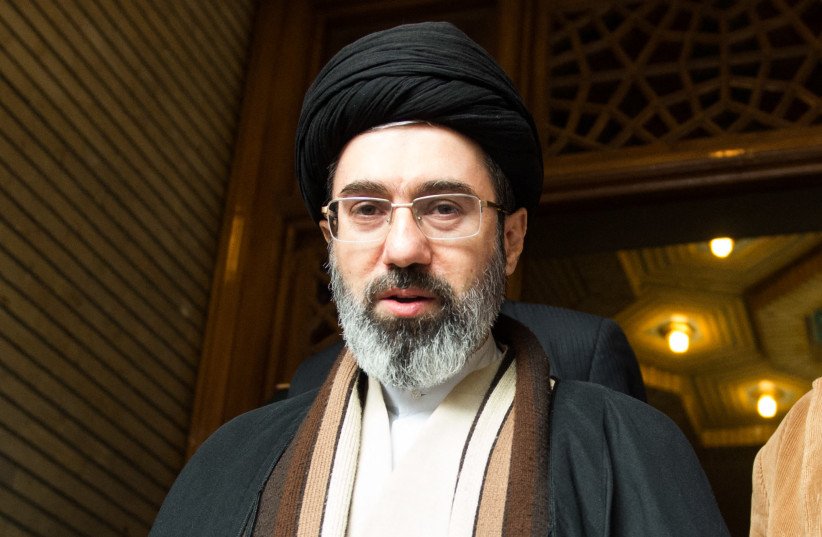
Mojtaba Khamenei has not made any public appearances since assuming the position of supreme leader following the death of his father, Ayatollah Ali Khamenei, during the early stages of the conflict involving the United States and Israel. Iranian authorities have not provided further details regarding the supreme leader’s current activities or public schedule.
Pezeshkian’s comments followed a reported telephone conversation with Hamas Political Bureau chief Khalil al-Hayya. According to Iranian state media, the president reaffirmed Tehran’s support for any initiative or decision taken by Palestinian leaders during ongoing indirect negotiations between Hamas and Israel.
Reports point to leadership differences
Meanwhile, reports published by Iran’s Tabnak news outlet claimed that Mojtaba Khamenei recently warned Pezeshkian against resubmitting his resignation. According to the report, the warning was conveyed through a letter reportedly shared by one of the supreme leader’s relatives. Iranian officials have not publicly confirmed the authenticity of the report.
The reported exchange has fueled speculation regarding differences within Iran’s political leadership, although no official statement has been issued addressing the claims.
Security concerns remain in focus
Separately, Iran has continued to avoid releasing audio recordings of the supreme leader. According to a report published by the Tehran Municipality-affiliated daily Al-Mashhari, officials fear that voice recordings could reveal sensitive information about Khamenei’s location or security arrangements.
The newspaper claimed that factors such as acoustic signatures, electrical interference, background equipment noise, digital file characteristics and vocal stress patterns could potentially expose his whereabouts. However, Iranian authorities have not officially commented on those claims.
Despite the reported internal challenges, Tehran has continued its diplomatic outreach across the region while reiterating its support for Palestinian leadership during ongoing regional developments. Observers are closely monitoring whether future official statements provide greater clarity on the supreme leader’s public role and the evolving dynamics within Iran’s leadership.

