
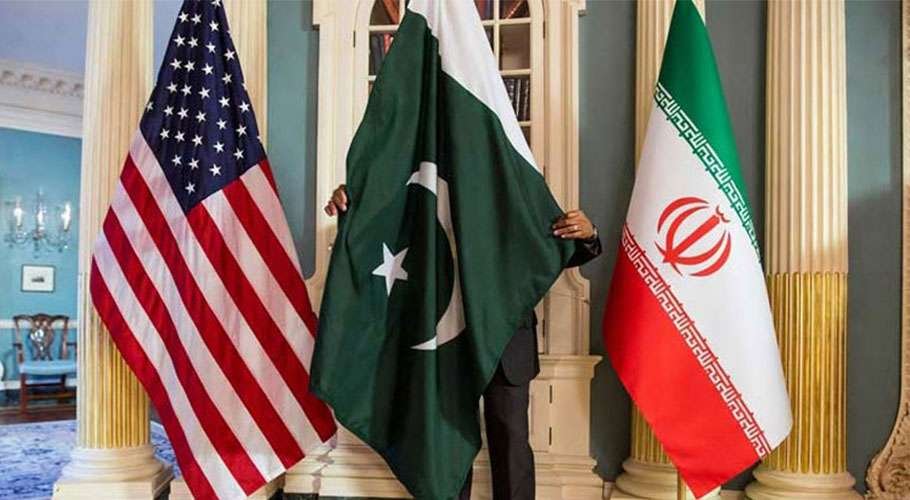

Pakistan is quietly working behind the scenes to break the diplomatic deadlock between the United States and Iran. Officials say a “new formula” is being developed to advance stalled negotiations.
According to two government sources, Islamabad is playing a central mediating role. The focus remains on sensitive issues, including the Strait of Hormuz and Iran’s nuclear programme.
Backchannel Talks Intensify Through Pakistan
Diplomatic exchanges are continuing through indirect communication channels.
“Both sides are actively engaged in back-channel diplomacy, conveying formulas and counter-formulas through Pakistan to reach an agreement,” said a Pakistani source.
These discussions aim to find a balanced solution. However, details of the proposals remain undisclosed.
Officials say Pakistan is focused on identifying a “middle way” between both positions.
Deadlock Over Key Peace Proposal
The negotiations remain stuck over a peace proposal conveyed earlier through Islamabad. This proposal followed visits by Iranian Foreign Minister Abbas Araghchi to Pakistan.
The proposal included ending the conflict and reopening the Strait of Hormuz. In exchange, it suggested lifting restrictions on Iranian ports.
It also proposed delaying nuclear talks to a later stage. However, the United States has not accepted this sequencing.
US and Iran Disagree on Negotiation Structure
Sources say the two sides disagree on how talks should proceed. Iran prefers separating issues for phased discussions.
The United States wants both the Strait of Hormuz and nuclear issues addressed together.
“Nothing (in the formulas) is definitive as exchanges are ongoing,” said a source.
Another added, “Hopefully, the two sides will reach common ground soon.”
Key Pakistani Figures Leading Mediation Efforts
Pakistan’s mediation effort involves senior leadership. Foreign Minister Ishaq Dar and military leadership are actively engaged.
Officials say Field Marshal Asim Munir has also played a direct role. He reportedly held multiple communications with US leadership in recent weeks.
Pakistan previously hosted early rounds of talks in Islamabad. Those discussions helped establish a ceasefire framework.
Competing Priorities Between US and Iran
Iran maintains that the nuclear issue is complex and requires longer negotiations. Therefore, it prefers addressing maritime tensions first.
The United States, however, insists that both issues must be resolved simultaneously.
This disagreement remains a key obstacle to progress.
Despite differences, discussions continue through indirect channels.
Ceasefire Holds Amid Fragile Stability
Pakistan helped broker a ceasefire earlier in April. That arrangement was later extended with US involvement.
Officials believe the ceasefire is still holding, despite tensions.
They also say renewed war is unlikely in the short term.
Regional and Global Pressure Shapes Talks
Diplomatic sources suggest both sides face internal and external pressure. Energy disruptions and global market instability remain key concerns.
Iran also considers broader regional security discussions with neighbouring states. However, officials say such frameworks remain premature.
The situation is influenced by economic sanctions, regional alliances, and military dynamics.
Moscow and Regional Diplomacy Efforts
Iran has also expanded diplomatic outreach beyond Pakistan. Meetings in Oman and Russia focused on the Strait of Hormuz and nuclear discussions.
Some proposals reportedly include international guarantees for any agreement. However, major powers remain divided on enforcement mechanisms.
Outlook: Slow Progress but Continued Engagement
Despite the deadlock, backchannel diplomacy continues. Pakistan remains central to communication between both sides.
Officials believe gradual progress is possible if compromises are made. However, major disagreements still remain unresolved.
For now, the process continues quietly, away from public attention, as efforts intensify to find a workable agreement.

