

Pakistan actively explores spot purchases of liquefied natural gas. This is to keep power plants running smoothly. Petroleum Minister Ali Pervaiz Malik confirms the government now faces serious supply shocks. This comes after Qatar declared force majeure on its long-term deals. Moreover, the ongoing Iran war sends spot LNG prices soaring to between 20 and 30 dollars per million British thermal units. Still, officials prefer steady government-to-government contracts over expensive open-market deals. This is so they can protect consumers from sudden tariff hikes.
Pakistan Prefers Secure Deals to Avoid Premium Costs
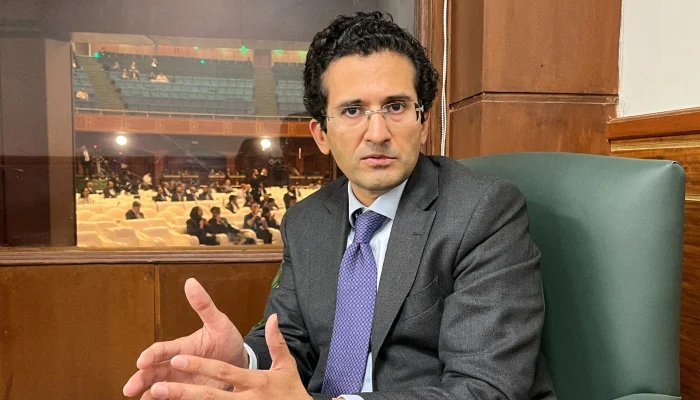
The minister speaks clearly with Reuters. He stresses that any new buys will depend on prices the power sector can actually afford. Pakistan already routes some crude oil through Saudi Arabia’s Red Sea port of Yanbu. This helps it dodge the risky Strait of Hormuz route. In addition, the country imports nearly all its oil. It still needs reliable gas for peak summer demand. As a result, authorities keep every option open while they work hard to limit the impact on households and factories.
New High-Output Well Lifts Domestic Production
Pakistan also ramps up local energy sources. This is to reduce its heavy dependence on imports. The state-run Oil and Gas Development Company starts commercial production from the Baragzai X-01 well in Khyber Pakhtunkhwa. This single well already pumps 15,000 barrels of oil and 45 million cubic feet of gas every day. Experts expect output to climb soon to 25,000 barrels of oil and 60 million cubic feet of gas daily. Furthermore, the well could meet around 10 percent of the country’s total crude needs. It could cut the annual import bill by 329 million dollars.
Officials report that eight out of ten fertiliser plants keep operating despite the gas shortages. They even consider using costlier furnace oil to avoid major loadshedding. This step will push electricity bills higher. Minister Malik warns that prolonged shortages could threaten food security if not handled carefully. Overall, the government says it has solid arrangements in place. These will meet both domestic and industrial needs during this difficult period.

