
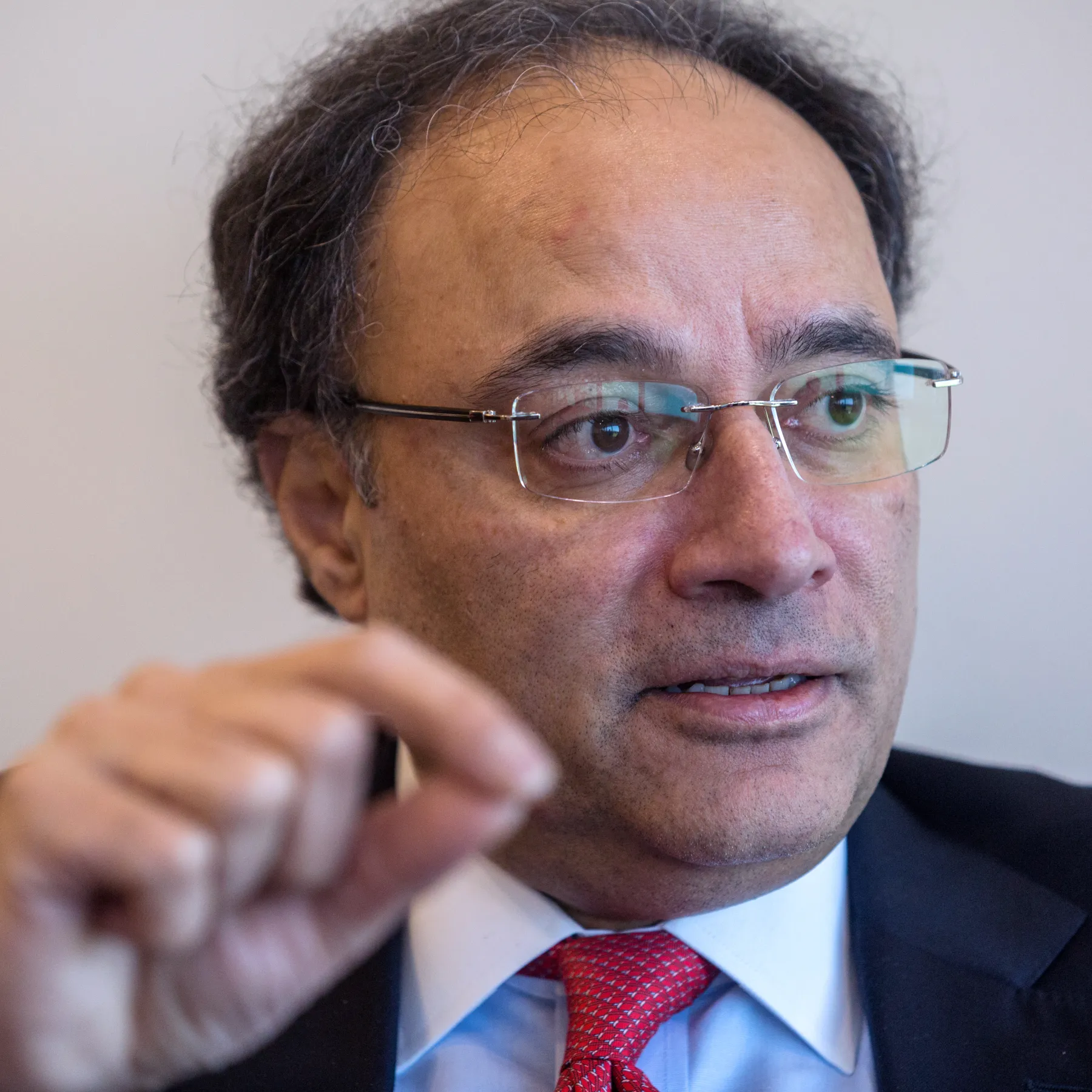

Finance Minister Announces AI-Driven Tax Model
Federal Minister for Finance and Revenue Senator Muhammad Aurangzeb has said Pakistan is moving toward an AI-powered tax administration system. The new model will generate tax notices through technology and reduce human involvement in taxpayer dealings.
Speaking at the second Pakistan Banking Summit 2026 in Karachi, the finance minister said parliament had approved a new operating structure for tax administration. He said the reform would change the way tax authorities engage with taxpayers.
Aurangzeb said the new framework will rely on artificial intelligence and digital systems. He described it as a major shift toward automation, transparency, and efficiency in tax collection.
Economic Indicators Show Improvement
The finance minister said Pakistan’s current account performance remained strong due to record remittance inflows. He said remittances for the current fiscal year are expected to close between $41 billion and $42 billion.
Aurangzeb said the previous fiscal year ended with improvement in key economic indicators. He cited a primary surplus, a low fiscal deficit, a debt-to-GDP ratio below 70 percent, and economic growth of 3.7 percent.
He said large-scale manufacturing showed a strong recovery. He also noted that overall exports had declined, but the drop was mainly seen in the food sector. Value-added exports, especially textiles, continued to show year-on-year growth.
The minister said Pakistan’s foreign exchange reserves are expected to reach around $18.4 billion by the end of the fiscal year. He said the figure would be higher than earlier projections.
Panda Bond, Privatisation and Growth Priorities
Aurangzeb said Pakistan had made progress on plans to issue a Panda Bond. He called it an important step toward accessing China’s capital markets. He said Pakistan had been pursuing the bond for several years and had missed an opportunity by not entering one of the world’s largest capital markets earlier.
Discussing the Pakistan Stock Exchange, the minister said market fundamentals were more important than headline index levels. He pointed to a growing number of young investors and double-digit growth in corporate profitability.
Aurangzeb said this year’s federal budget was prepared for the first time under the Tax Policy Office after its transfer to the Finance Division. He said the government’s priorities include export-led growth, tax reforms, low-cost financing, and continued tariff reforms.
He added that access to finance would be critical for Pakistan’s move from economic stabilisation to sustainable growth. He said lending to small businesses, exporters, agriculture, manufacturing, construction, and the IT sector would remain essential.
On privatisation, the minister said Pakistan International Airlines is now securely in private-sector ownership. He said roadshows for three electricity distribution companies had been completed. He added that 28 state-owned entities had been transferred to the Privatisation Commission for further action.

