
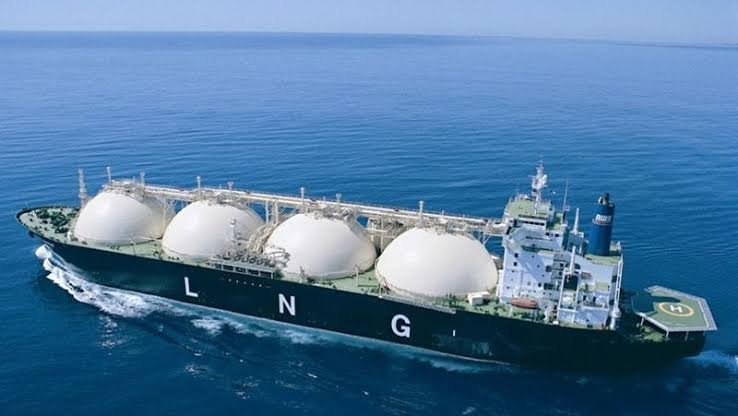

Pakistan has received its first liquefied natural gas (LNG) shipment of October from Qatar, offering some relief to the country’s strained gas supply system. The vessel Al-Areesh berthed at Engro’s LNG terminal on Tuesday, allowing authorities to resume regasification at a rate of 150 million cubic feet per day.
The arrival comes as Pakistan faces uncertainty over LNG imports due to supply disruptions and difficulties affecting shipping through the Strait of Hormuz. Consequently, officials are working to secure additional cargoes to meet the country’s energy requirements ahead of winter.
LNG Supplies Resume at Engro Terminal
The Engro terminal had remained non-operational since September 26 because no LNG vessel arrived during that period. However, the latest shipment has restored operations, allowing regasified LNG to enter the national gas network.
Meanwhile, Pakistan GasPort Limited’s terminal remains shut due to insufficient LNG inventory. Authorities expect to arrange another shipment within eight to ten days to restore operations at the facility.
The supply interruption has also affected fuel availability for electricity generation. Between October 9 and October 13, neither terminal regasified LNG, leaving the power sector with approximately 38 million cubic feet of gas per day for electricity generation as of October 13.
Winter Demand Raises Supply Concerns
Pakistan is attempting to secure three LNG cargoes from Qatar during October, although officials currently expect to receive only two. Moreover, QatarEnergy has extended its force majeure declaration until November 6, leaving future deliveries uncertain.
Gas demand is expected to rise sharply during winter, increasing pressure on already limited supplies. Sui Northern Gas Pipelines Limited’s demand could increase from 500 million cubic feet daily to 1,550 million, while Sui Southern Gas Company’s requirements may rise from 300 million to 500 million cubic feet daily.
Domestic production problems and pipeline disruptions have further complicated the situation. Therefore, continued delays in LNG imports could affect households, industrial consumers and electricity generation as Pakistan prepares for colder weather.
For the latest updates, visit and follow The Truth International website (www.thetruthinternational.com) and subscribe to the YouTube Channel.

