
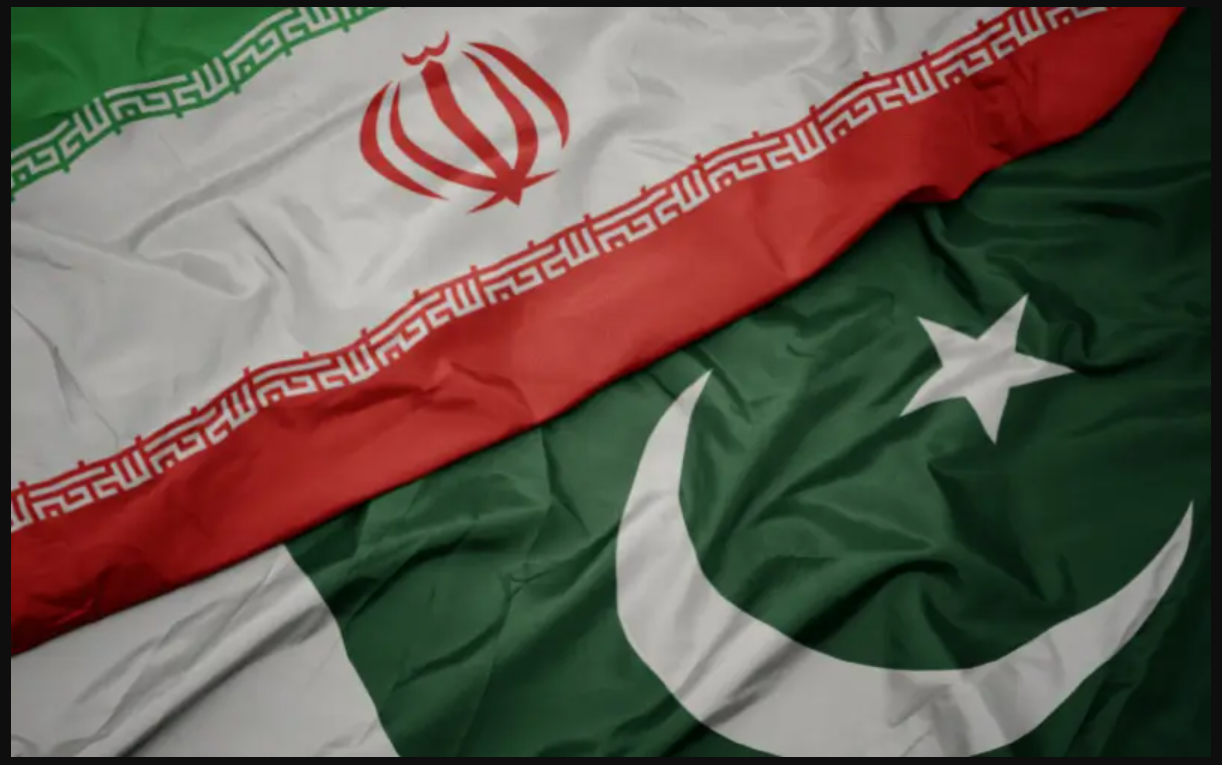

Pakistan has officially implemented the Transit of Goods Order 2026, creating new trade corridors that connect Pakistan with Iran. The policy aims to strengthen regional commerce by allowing goods from third countries to pass through Pakistani territory.
The Ministry of Commerce confirmed that the order became effective immediately after formal notification. As a result, new logistics pathways have now been activated across key border and port locations.
Major Transit Corridors Activated
Under the new framework, several strategic routes have been designated for transit operations. These include Gwadar, Karachi, and Taftan as primary trade gateways.
The Gwadar-Gabad route has been opened for cargo shipments destined for Iran. Similarly, the Karachi-Taftan corridor has also been officially approved for transit movement.
In addition, a new route connecting the Makran coastal belt to Gabad has been introduced. This expansion aims to improve regional connectivity and reduce logistical delays.
Consequently, Pakistan’s transit network now offers multiple entry and exit points for cross-border trade with Iran.
Gwadar Port Gains Commercial Importance
The government has also upgraded Gwadar Port by granting it commercial transit status under the new order. This decision is expected to enhance the port’s role in regional trade activities.
Moreover, a continuous logistics corridor has been established from Gwadar to Quetta and onward to Taftan. This development creates a structured supply chain for goods moving toward Iran.
As a result, Gwadar is positioned as a central hub in Pakistan’s growing transit trade framework.
Transit Regulations and Compliance Measures
The new order includes strict compliance requirements for transit cargo. All shipments must now provide a financial guarantee before movement through designated routes.
Additionally, customs procedures will be regulated under the Federal Board of Revenue guidelines. Authorities have defined specific corridors to ensure smooth and secure transit operations.
These measures aim to improve transparency and strengthen monitoring of cross-border trade flows. At the same time, they are designed to reduce procedural delays.
Expansion of Regional Trade Connectivity
Officials confirmed that goods originating from third countries are now permitted to transit through Pakistan en route to Iran. This marks a significant expansion in regional trade facilitation.
Furthermore, the Karachi-Gwadar-Taftan network is now fully operational. It is expected to support increased trade activity and improve supply chain efficiency across the region.
Therefore, Pakistan’s transit infrastructure is entering a more integrated phase, linking major ports with border trade points.
Strategic Impact of the New Transit Policy
The Transit of Goods Order 2026 reflects Pakistan’s focus on enhancing regional trade integration. By activating multiple corridors, the country aims to strengthen its position as a transit hub.
In addition, improved connectivity with Iran is expected to support broader economic engagement. This development may also encourage future expansion of trade partnerships across neighboring markets.
Conclusion
Pakistan’s new transit framework under the Transit of Goods Order 2026 marks a significant step in regional trade development. With Gwadar, Karachi, and Taftan now integrated into a unified logistics system, cross-border commerce with Iran is set to expand further.

