
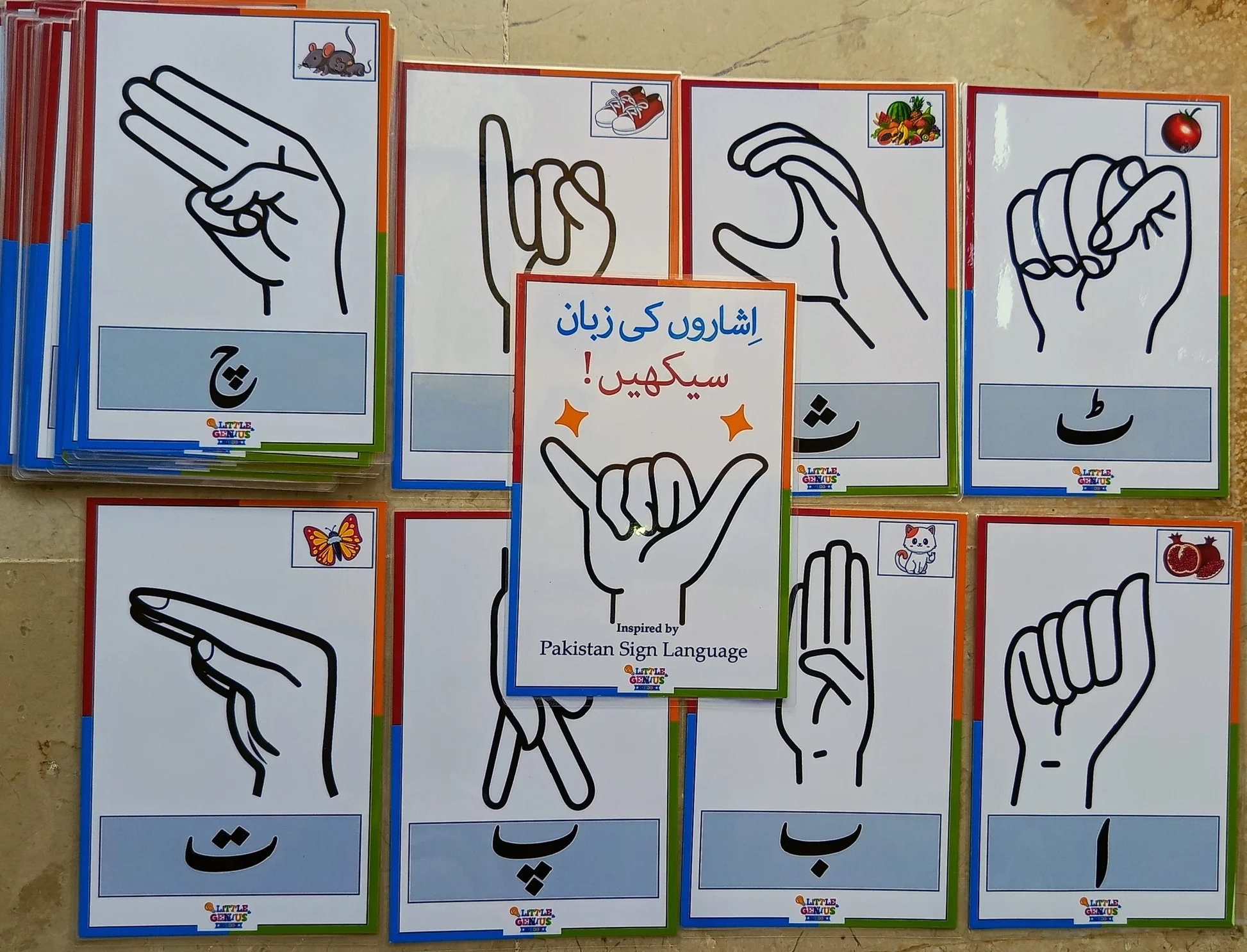

Pakistan has taken an important step towards improving communication for deaf and hard-of-hearing people by standardizing sign language across the country. The initiative aims to reduce communication barriers and promote greater inclusion in education, public services, and everyday interactions.
The move is expected to help establish a more consistent system of signs for use in schools, institutions, and other public settings. Consequently, people with hearing disabilities could find it easier to communicate with teachers, government officials, and members of their communities.
Standardization Aims to Improve Accessibility
A standardized sign language system can help people communicate more effectively across different regions. When individuals use different signs for the same words or concepts, misunderstandings can arise, particularly in educational and professional environments.
Therefore, establishing common signs could support teachers, interpreters, students, and families. It may also help organizations develop more accessible communication materials and improve services for people with hearing disabilities.
Moreover, a consistent system could encourage more institutions to recognize sign language as an essential part of inclusive communication. However, effective implementation will depend on training, awareness, and the availability of qualified interpreters.
Inclusive Education and Public Services in Focus
Standardizing sign language could strengthen educational opportunities for deaf students by helping teachers deliver lessons more consistently. It could also encourage schools to improve learning resources and adopt communication methods that address students’ needs.
Similarly, public offices, healthcare facilities, and other service providers could benefit from greater sign language awareness. Better communication would help deaf individuals access essential services and participate more confidently in everyday activities.
Nevertheless, nationwide progress will require sustained coordination between relevant institutions and the deaf community. Experts and advocates often emphasize that accessibility initiatives work best when people with hearing disabilities contribute to decisions affecting them.
The standardization initiative represents a significant step towards improving communication access in Pakistan. Its long-term impact will depend on how effectively institutions adopt the system and make it available to those who need it.
For the latest updates, visit and follow The Truth International website (www.thetruthinternational.com) and subscribe to the YouTube Channel.

