
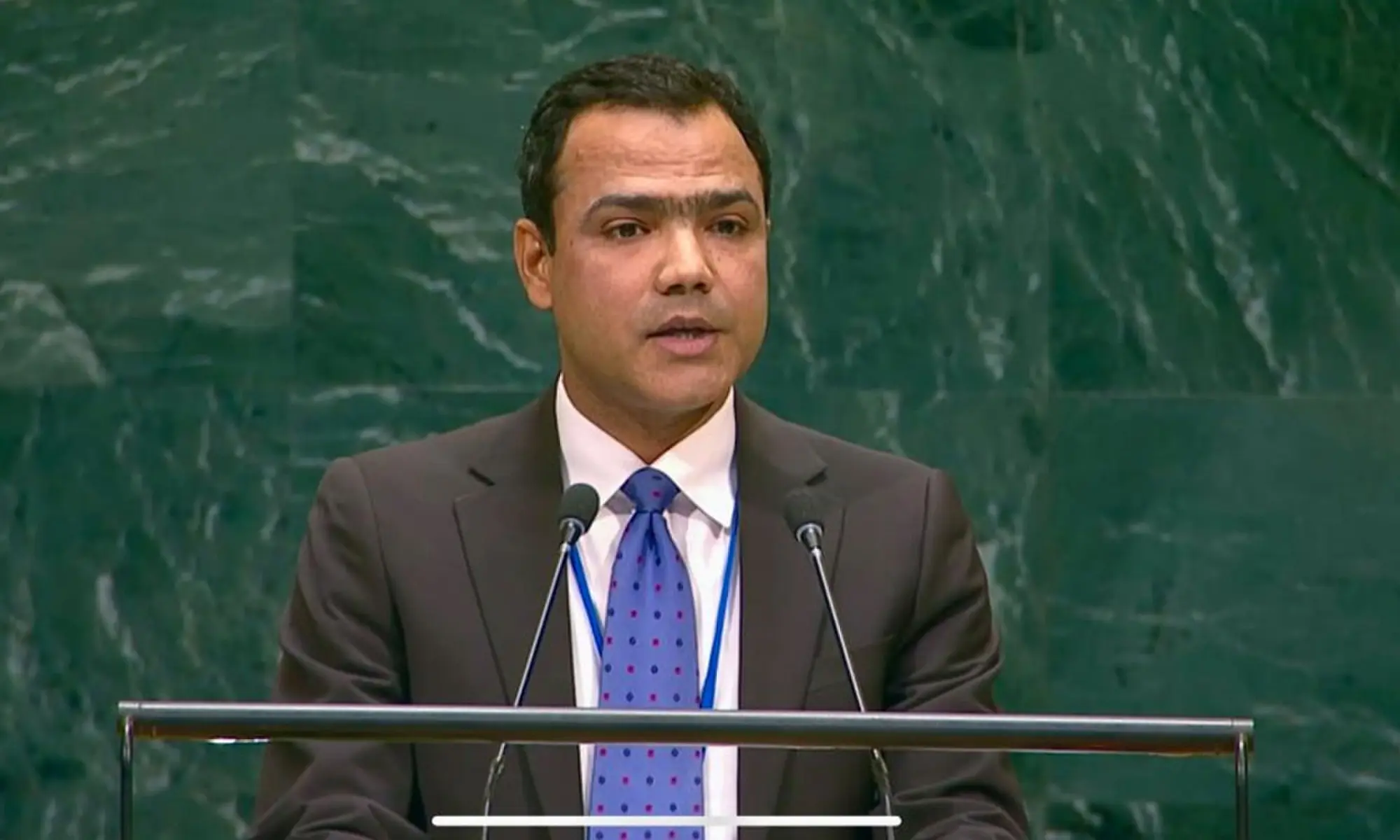

Pakistan has renewed its call for reforming the United Nations Security Council (UNSC), arguing that the veto power of permanent members has repeatedly blocked action on major global crises.
Islamabad wants reforms that make the council more representative, transparent and accountable. It also opposes adding new permanent members, warning that expanding exclusive privileges would not resolve the institution’s existing problems.
Pakistan Calls for Restrictions on Veto Power
Pakistan has consistently argued that the veto powers held by the five permanent members undermine collective decision-making. These countries are China, France, Russia, the United Kingdom and the United States.
Under the current system, any permanent member can block a substantive resolution, even when most council members support it. Consequently, disagreements among major powers can prevent action on international conflicts and security threats.
Pakistan has called for abolishing the veto or severely restricting its use. It believes meaningful reform must address this power rather than extend it to additional countries.
Opposition to New Permanent Seats
Pakistan also opposes proposals to expand the council’s permanent membership. The position places Islamabad at odds with the Group of Four, comprising India, Brazil, Germany and Japan, which seeks permanent seats.
Pakistani officials argue that adding more permanent members would preserve inequalities within the United Nations rather than make decision-making more democratic.
Instead, Pakistan supports expanding the elected, non-permanent category. It has also backed longer-term rotating seats as a way to improve representation while maintaining accountability.
Calls for a More Effective United Nations
Pakistan’s position reflects wider concerns about the council’s ability to respond effectively to international conflicts. Recent debates have highlighted how geopolitical rivalries can prevent agreement on urgent issues.
Islamabad has also advocated strengthening the UN General Assembly’s role when vetoes prevent the Security Council from acting. It wants better monitoring of resolutions and more regular reporting on their implementation.
Pakistan argues that comprehensive reform should improve transparency and give all member states a stronger voice. However, negotiations remain difficult because countries disagree over permanent seats, veto powers and regional representation.
The debate continues as UN members seek a structure that better reflects today’s international realities while improving the organisation’s ability to maintain peace and security.
For the latest updates, visit and follow The Truth International website (www.thetruthinternational.com) and subscribe to the YouTube Channel.

