
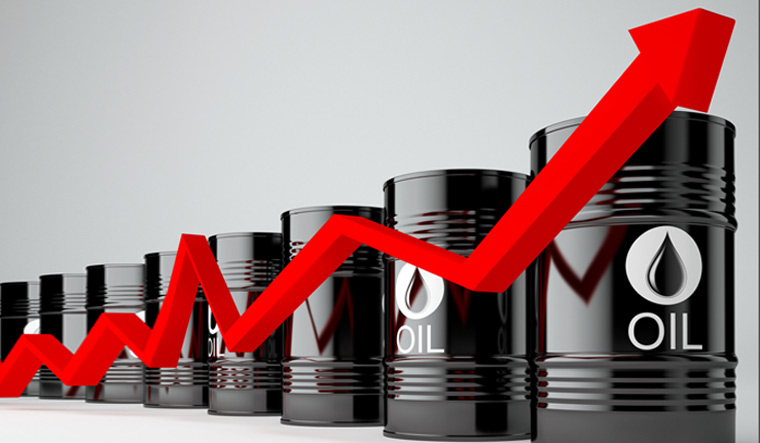

Global oil prices jumped sharply early Thursday, crossing $124 per barrel, after Donald Trump refused to ease a prolonged blockade targeting Iranian ports. As a result, markets reacted swiftly, reflecting mounting concerns over supply disruptions and geopolitical risks. Brent crude hit the $124 level this morning, while Murban, OPEC, and WTI crude oil trading remained below $110 a barrel.
Brent crude briefly touched $122, marking its highest level since 2022. At the same time, the unexpected exit of the United Arab Emirates from OPEC and OPEC+ alliances added further pressure on global oil supply, accelerating the recent price surge.
Market sentiment shifts amid escalating geopolitical tensions
Investor sentiment shifted after energy executives met US officials in Washington, D.C. to assess the economic fallout of the ongoing Iran conflict. Consequently, analysts interpreted these discussions as a signal that restrictions on Iranian exports may persist longer than expected.
Meanwhile, tensions in the Strait of Hormuz continue to disrupt global energy logistics. The critical route typically handles about one-fifth of global oil and liquefied natural gas shipments, making any disruption highly impactful. Iran has already restricted shipping movements following earlier US naval actions, further tightening supply chains.
Supply constraints and volatility raise economic concerns
US forces have increased interceptions of vessels linked to Iranian ports, effectively reducing available oil supply. Therefore, prices have steadily climbed over the past two weeks as uncertainty deepens.
Although prices briefly eased earlier in April amid ceasefire talks in Islamabad, they quickly rebounded after negotiations stalled. Now, prolonged disruption in Hormuz could tighten global inventories further and increase the risk of broader economic fallout if energy flows remain constrained.

