
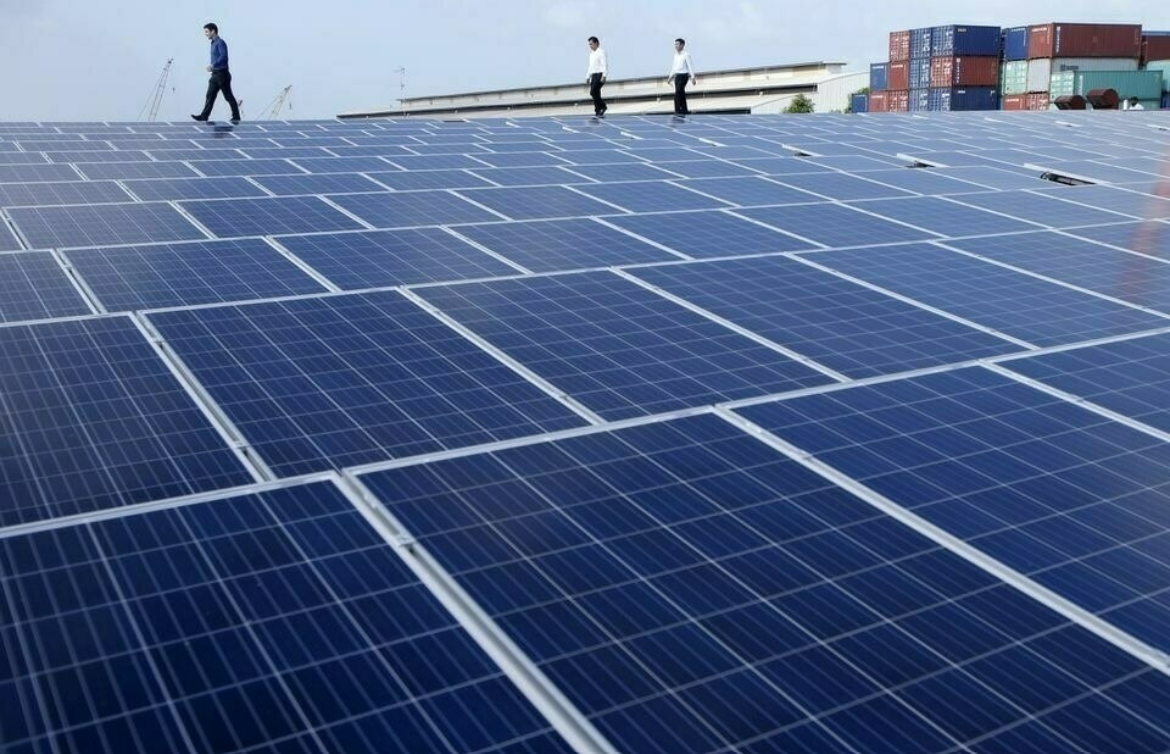

The National Electric Power Regulatory Authority has announced a major policy shift for solar energy users. The regulator has abolished the licence requirement and application fee for solar systems with a capacity of up to 25 kilowatts.
This decision is expected to encourage small-scale renewable energy adoption. It also aims to remove barriers for households and small businesses investing in solar power.
The new order has been officially notified. Authorities confirmed that the policy will be effective from February 9, 2026.
Policy Reversal After Public and Government Pressure
The move follows strong public reaction to earlier regulatory changes. Those changes had introduced fees and centralized approvals under Nepra. Many stakeholders criticized the policy as restrictive.
The Power Division Pakistan intervened after the backlash. It directed Nepra to withdraw the licence requirement for smaller systems.
Federal Minister for Power Sardar Awais Ahmed Khan Leghari played a key role in the decision. He pushed for immediate relief for small solar consumers.
Officials said the earlier policy created unnecessary complications. It increased costs for individuals installing rooftop solar systems. The reversal restores a more consumer-friendly framework.
The regulator confirmed that prosumer regulations have now been amended. Small-scale distributed generation up to 25kW no longer requires licensing or fees.
Simplified Rules Expected to Accelerate Solar Growth
Under the revised framework, users with systems up to 25kW can proceed without regulatory hurdles. This includes residential and small commercial setups.
For systems above 25kW, a one-time fee still applies. The fee is set at Rs1,000 per kilowatt. This ensures some regulatory oversight for larger installations.
Experts say the decision will boost solar adoption across Pakistan. Lower costs and easier approvals are likely to attract more users.
Previously, under 2015 regulations, small systems were exempt from licensing. Applications were handled by distribution companies without fees. This had encouraged widespread adoption.
Recent changes had shifted approval authority to Nepra. They also introduced application charges even for small systems. Industry groups argued that this discouraged investment.
Organizations such as the Pakistan Solar Association and renewable energy firms raised concerns. They said the new system added delays and bureaucracy.
Industry Response and Future Outlook
The rollback has been welcomed by industry stakeholders. Experts believe it restores confidence in the renewable energy sector.
Simplified procedures will help reduce project timelines. Consumers can now install systems without lengthy approvals.
The decision also supports national energy goals. Pakistan aims to increase its share of renewable energy. Solar power plays a key role in this strategy.
Authorities say the updated policy aligns with global clean energy trends. It also supports energy independence for consumers.
Analysts expect increased demand for rooftop solar installations. The removal of fees reduces upfront costs significantly.
The government is likely to monitor the impact closely. Further adjustments may follow based on market response.
Overall, the policy signals a shift toward promoting clean energy access. It reflects a balance between regulation and ease of adoption.

