
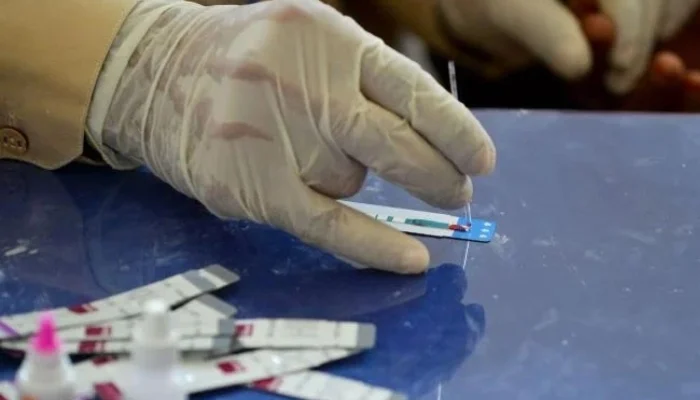

Islamabad: A parliamentary panel on Tuesday expressed serious concern after officials revealed that nearly 20,000 HIV patients who started treatment at antiretroviral therapy centres have gone missing, highlighting gaps in follow-up and patient retention.
Gaps in detection and treatment
During a meeting of the National Assembly Standing Committee on National Health Services chaired by MNA Dr Mahesh Kumar Malani, the ministry reported that around 369,000 people live with HIV in Pakistan. However, only 84,000 cases are registered, indicating a major detection shortfall. Additionally, officials confirmed that 14,000 new cases emerged in 2025 alone.
Although authorities expanded screening from 37,000 tests in 2020 to over 374,000 in 2025, lawmakers stressed that higher detection does not necessarily signal effective control. Consequently, the committee termed the situation urgent and called for coordinated national action. The ministry added that it is preparing a comprehensive master plan to address these challenges.
Outbreaks, unsafe practices and policy concerns
Meanwhile, the committee highlighted localised outbreaks in areas such as Taunsa, Kot Momin and South Punjab, linking them to weak infection control and unsafe medical practices. Officials noted that a Karachi outbreak connected to 10cc syringes exposed regulatory gaps. Therefore, authorities plan to phase out reusable syringes and enforce stricter controls.
However, lawmakers warned that banned syringes remain available in markets, while weak blood bank oversight, stigma and low awareness continue to hinder prevention efforts. In addition, concerns over cross-border health risks prompted plans for improved screening through travel data integration.
Ultimately, the committee urged immediate rollout of safer syringes, stronger enforcement, nationwide awareness campaigns and a clear, time-bound strategy to curb new infections.

