
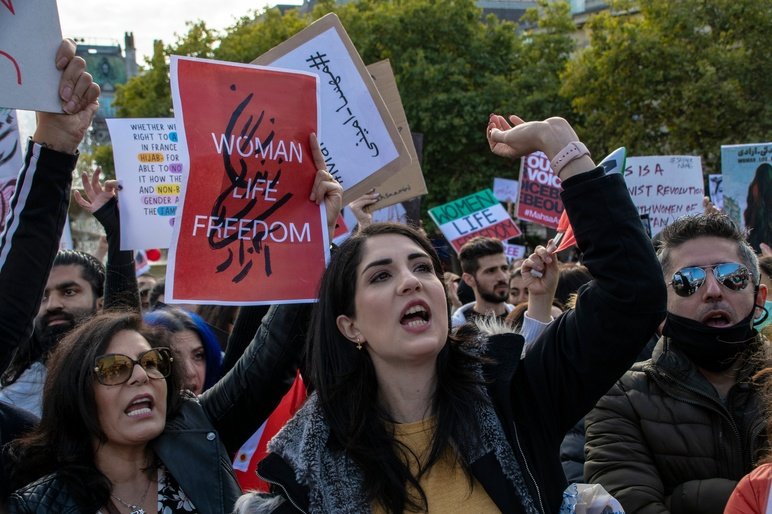

Doha — A wave of misleading videos and images depicting alleged female victims of Iran’s government has spread rapidly across social media, raising concerns about misinformation in ongoing geopolitical tensions. Some of this content has gained further visibility after being amplified by prominent figures, including Donald Trump.
Viral content blurs line between fact and propaganda
According to reporting by Al Jazeera, many of the circulating visuals lack verification and, in some cases, appear manipulated or taken out of context. Journalist Soraya Lennie highlighted how such material often spreads quickly due to emotional appeal, particularly when it portrays vulnerable individuals.
Moreover, analysts note that images of women frequently become central to these narratives, as they evoke strong reactions and draw global attention. Consequently, both authentic and fabricated content can influence public perception, regardless of accuracy. This trend complicates efforts to distinguish verified reporting from coordinated misinformation campaigns.
Use of imagery tied to broader political messaging
Meanwhile, experts argue that such portrayals often align with broader political messaging aimed at shaping international opinion. In particular, depictions of alleged victims can become tools to justify or promote foreign policy positions, including calls for intervention.
Furthermore, the rapid circulation of unverified media underscores the challenges facing digital platforms in moderating content during periods of conflict. Despite increased awareness, misleading visuals continue to gain traction before fact-checking mechanisms can respond.
Ultimately, the situation highlights the growing role of information warfare in modern conflicts. As audiences engage with viral content, media literacy and verification remain critical in preventing the spread of false or misleading narratives.

