
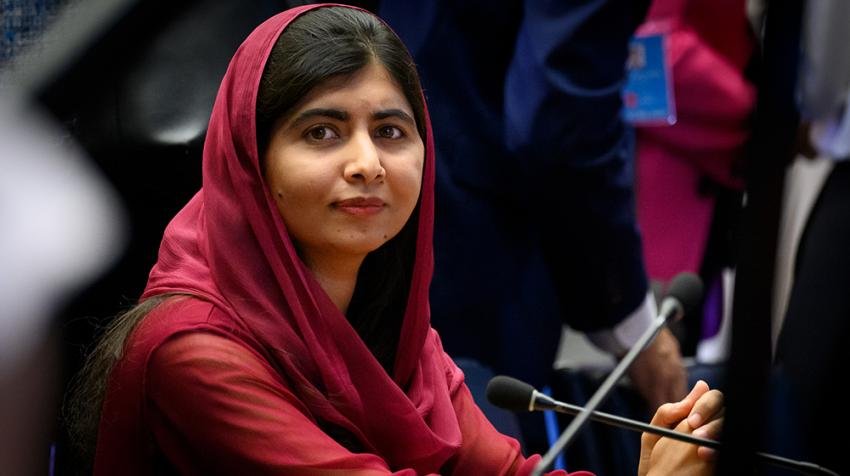

Nobel laureate Malala Yousafzai has called on world leaders to show stronger “support and solidarity” for women and girls living under Taliban rule. She also urged the international community to formally criminalise what she described as “gender apartheid.”
Speaking during a visit to Edinburgh, Malala warned that global inaction has allowed worsening restrictions on women in Afghanistan. She stressed that the situation remains critical, with girls barred from education and women excluded from public life and employment.
Call for accountability through international law
Malala emphasized that recognising gender apartheid under international law would create mechanisms to hold perpetrators accountable. Therefore, she argued that legal recognition could pressure authorities and mobilise global action against systemic discrimination.
During her visit, she met John Swinney, who pledged support for her campaign. In addition, she thanked Scotland for its efforts in supporting Afghan women, including initiatives to relocate vulnerable individuals for education and safety.
Highlighting recent developments, she pointed to the relocation of Afghan female medical students through joint efforts involving the UK Government and charitable organisations. These measures, she said, demonstrate the impact of coordinated international support.
Worsening conditions for Afghan women and girls
Malala warned that conditions under Taliban rule continue to deteriorate. She cited severe restrictions on movement, education, and employment, describing them as violations of fundamental human rights.
Furthermore, she raised concerns over recent decrees that reportedly permit domestic violence, calling them deeply alarming. As a result, she urged governments worldwide to intensify pressure and take meaningful action.
Overall, Malala reiterated that stronger global unity and legal accountability remain essential to protect Afghan women and challenge systemic oppression.

