
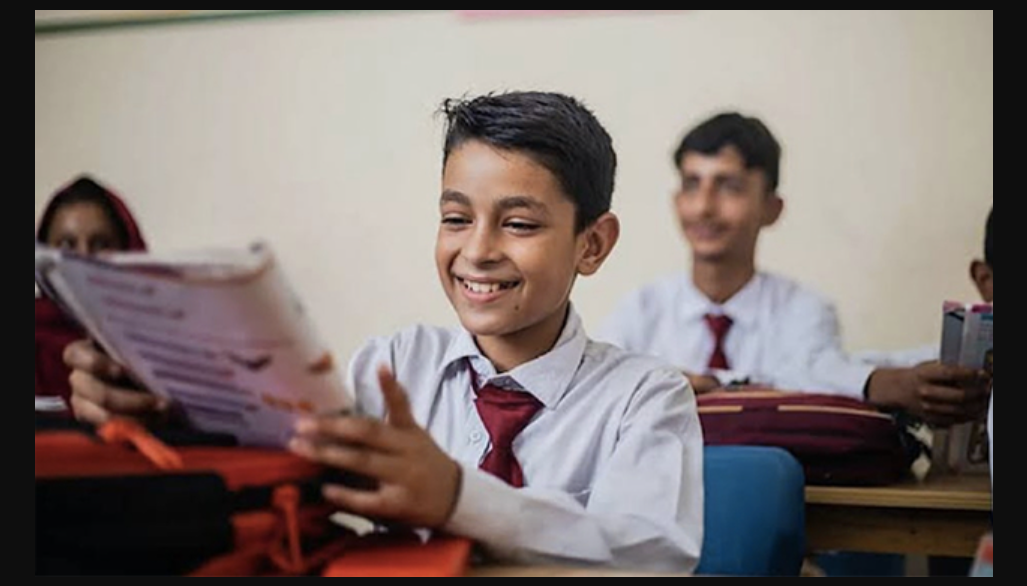

A major step has been taken to expand access to education in Islamabad. The Private Educational Institutions Regulatory Authority has confirmed progress on implementing free education in private schools.
The update was shared with the Islamabad High Court. It relates to the enforcement of the Free and Compulsory Education Act, 2012.
As a result, private institutions must now allocate 10 percent of their seats to deserving students.
Enrollment Target Under New Campaign
Authorities have launched a campaign titled “No Child Left Behind”. This initiative aims to bring thousands of children into the education system.
According to official figures, a target has been set to enroll 25,000 students. This move reflects a stronger push toward inclusive education.
Furthermore, priority will be given to vulnerable groups. These include orphans and children of martyrs.
Overview of Private Schools in Islamabad
Islamabad currently has a large private education network. Around 1,571 institutions operate across five zones.
Together, these schools serve nearly 389,000 students. However, only 500 institutions have submitted their data so far.
This data includes infrastructure details and student enrollment numbers. Authorities are using this information to assess compliance.
Monitoring and Verification Measures Strengthened
To ensure proper implementation, a monitoring committee has been formed. Its role is to verify whether schools follow the 10 percent quota.
Several institutions have already submitted lists of students admitted under the scheme. Meanwhile, the verification process continues.
Additionally, schools have been instructed to submit complete data for the 2025–26 academic session.
Strict Compliance Requirements for Schools
Authorities have made compliance mandatory for all registered institutions. Schools must provide details through both manual and online systems.
Moreover, strict action will be taken against those who fail to comply. This step aims to ensure transparency and accountability.
As a result, schools are under pressure to meet deadlines and follow regulations.
Expanding Access to Education
This initiative marks a significant effort to improve access to quality education. It also addresses long-standing concerns about inequality in private schooling.
By enforcing the quota, authorities hope to support underprivileged students. At the same time, they aim to create a more balanced education system.
Conclusion
The implementation of the 10 percent free education policy signals a meaningful shift in Islamabad’s education sector.
While challenges remain, the initiative offers hope for thousands of children. Moving forward, effective monitoring will be key to its success.

