

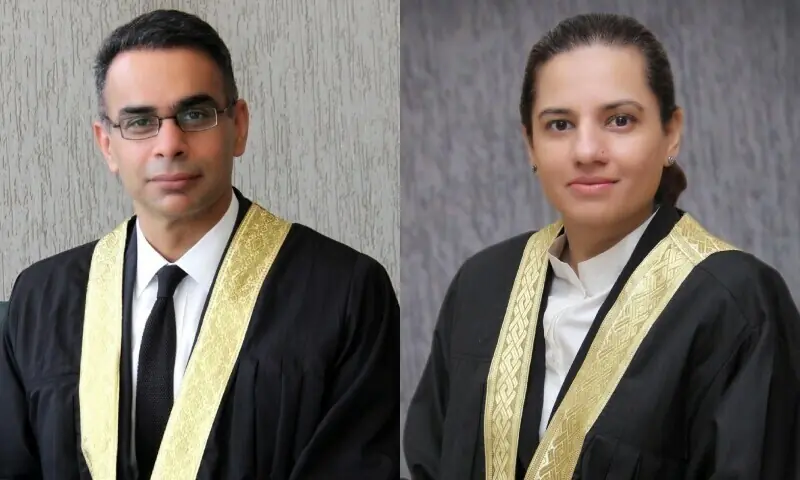
The Judicial Commission of Pakistan has scheduled a pivotal meeting for April 28 to discuss the potential transfer of five Islamabad High Court judges to various provincial courts. This significant move follows the recent 27th Constitutional Amendment, which fundamentally changed how the judiciary operates. Specifically, the new law allows the commission to move judges between courts without obtaining their prior consent. Consequently, this meeting marks the first time the commission will exercise these expanded powers to restructure the high court’s bench.
Shifting legal landscapes and administrative changes
According to reliable sources, the judges under consideration include senior members such as Justice Mohsin Akhtar Kayani and Justice Babar Sattar. Additionally, the commission may return Justice Arbab Muhammad Tahir and Justice Khadim Hussain Soomro to their home provinces of Balochistan and Sindh. While the government views these transfers as a way to balance the judicial workload, the change has sparked intense debate within the legal community. Furthermore, the new rules dictate that any judge who refuses a directed transfer could face disciplinary proceedings under the Supreme Judicial Council.
Political reactions and the path toward new appointments
Moreover, there are claims made from the opposition parties about judicial independence in view of these changes. The argument here is that any attempt to shuffle these judges without an agreement from them might be affected in terms of verdict. On the other hand, this Commission has plans to replace these positions with a number of lawyers and district sessions judges.

