

EV Incentives Extended for Local Assembly
The federal government has proposed a new mix of tax incentives and higher duties for electric and luxury vehicles in Budget 2026-27.
According to budget documents, the exemption on the import of completely knocked down kits for electric vehicles is proposed to continue until June 30, 2027.
This extension is aimed at supporting electric vehicle assembly and encouraging investment in cleaner transport.
Completely knocked down kits are used by local assemblers to manufacture vehicles inside the country.
The continuation of this exemption shows that the government still wants to support electric mobility and local production.
However, the budget also introduces a clear difference between affordable electric mobility and luxury electric vehicle imports.
The government appears to be protecting incentives for assembly and public-use transport while increasing taxes on expensive imported vehicles.
Imported Luxury EVs to Face Higher Duties
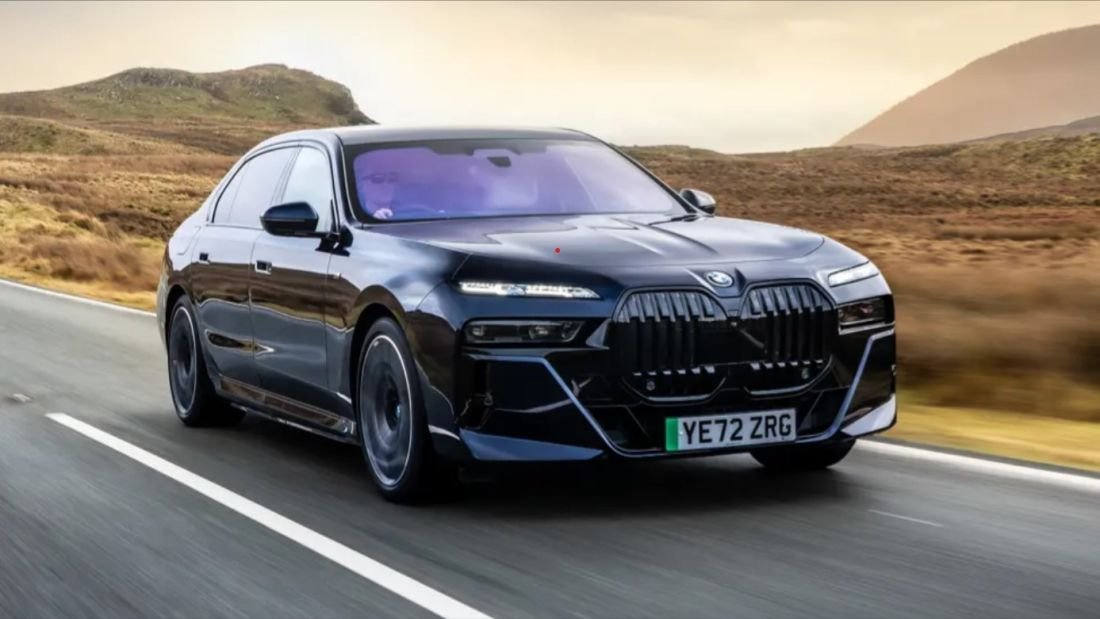
Under the proposal, imported electric vehicles for personal use in completely built-up condition will remain duty-free only up to a value of Rs20 million.
Electric vehicles valued above Rs20 million and up to Rs30 million will face a 30 percent duty.
Vehicles priced above Rs30 million will face a 40 percent duty.
This means expensive imported EVs may become significantly costlier if the proposal is approved.
The government says tax incentives should support wider electric mobility, not luxury purchases by wealthy buyers.
The policy targets high-value imported EVs that benefit from concessions despite being outside the reach of most consumers.
The new structure may reduce the advantage previously enjoyed by premium electric vehicles in the import market.
Big-Engine Vehicles Also Targeted
The budget also proposes new Federal Excise Duty on imported cars, SUVs and other high-end vehicles with larger engines.
Vehicles with engine capacities above 2000cc and up to 3000cc will face a 40 percent ad valorem Federal Excise Duty.
Vehicles with engine capacities exceeding 3000cc will face a 41 percent ad valorem Federal Excise Duty.
These measures are expected to increase the cost of luxury petrol vehicles and large SUVs.
The government says the aim is to ensure a fairer distribution of the economic burden.
The proposal may affect buyers of premium imported cars, luxury SUVs and high-performance vehicles.
Auto dealers and consumers are likely to closely watch the final approval of these measures.
If implemented, the new duties could reshape demand in the imported vehicle market.
Buyers may shift toward smaller vehicles, locally assembled models or lower-cost electric transport options.
The budget policy creates a clear message. Electric mobility incentives will continue, but luxury imports will face a heavier tax burden.

