
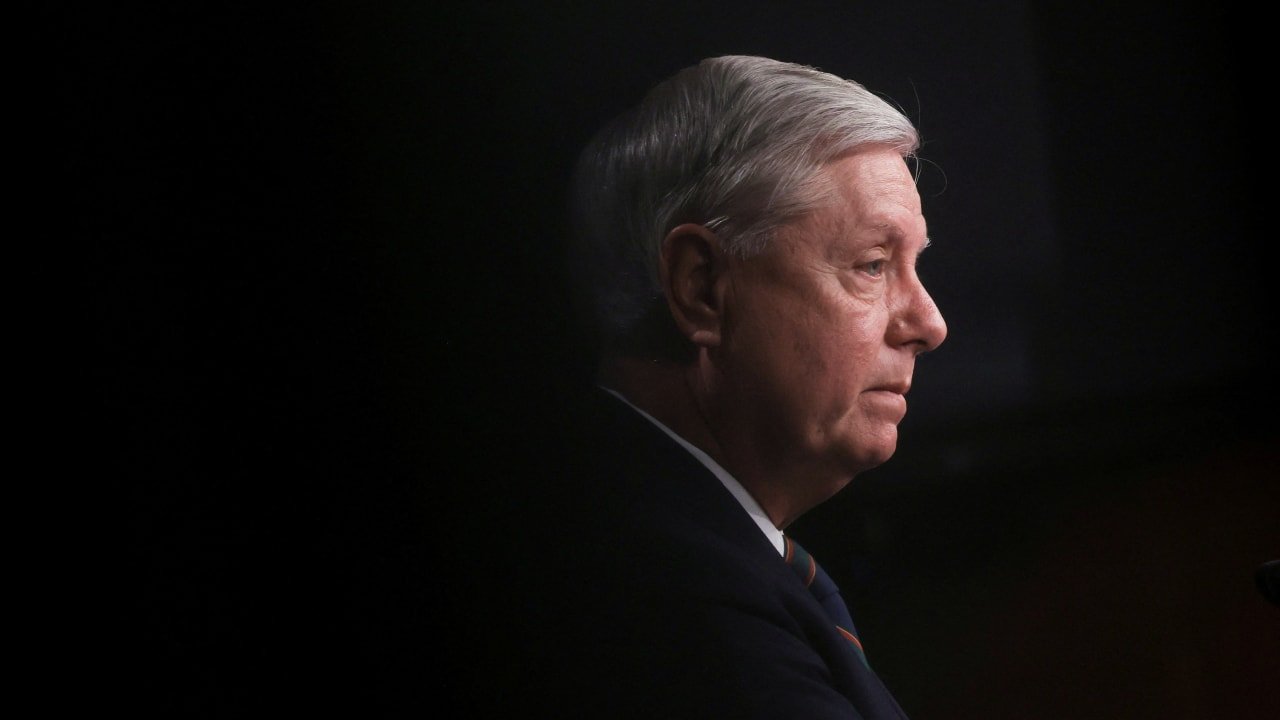

Axios says senator viewed regional agreement as major outcome of Iran conflict and Hormuz crisis
WASHINGTON: Late US Senator Lindsey Graham reportedly worked in recent weeks to advance an Israel-Saudi Arabia normalisation agreement before the next US Congress is sworn in, believing the initiative could become the most significant diplomatic outcome of the conflict involving Iran.
According to Axios, Graham argued that shifting regional dynamics, particularly tensions surrounding the Strait of Hormuz, created an opportunity for Arab states and Israel to pursue a new diplomatic framework similar to the Abraham Accords.
The report said Graham believed the ideal window for reaching an agreement would fall between Israel’s scheduled elections in October and the beginning of the new US Congress in November. However, he reportedly stressed that such progress would depend on bringing the conflict involving Iran under control.
Graham also advocated a decisive military operation to reopen the Strait of Hormuz if diplomatic efforts failed, arguing that freedom of navigation remained essential for regional stability and global trade.
Congressional support and Israeli policy seen as decisive
According to the report, Graham believed any agreement would require two critical conditions. First, supporters would need to secure enough Democratic backing to achieve the required two-thirds majority in the US Congress. Second, Israel’s next government would have to accept Saudi Arabia’s conditions for diplomatic normalisation.
Those factors, he reportedly argued, would determine whether negotiations could successfully conclude within the proposed timeframe.
Saudi trade corridor proposal raises new questions
Meanwhile, separate reports indicate Saudi Arabia is considering changes to the proposed India-Middle East-Europe Economic Corridor (IMEC). Sources familiar with the discussions told The Jerusalem Post that Riyadh is examining a route through Syria instead of Israel, potentially replacing the original plan linking the corridor to Europe through the Israeli port of Haifa.
However, policy experts continue to argue that Israel remains strategically important to the IMEC project. Analysts say Haifa’s planned infrastructure upgrades could strengthen trade links connecting Europe, India and the Middle East, making its future role in the corridor a key issue in ongoing regional discussions.

