
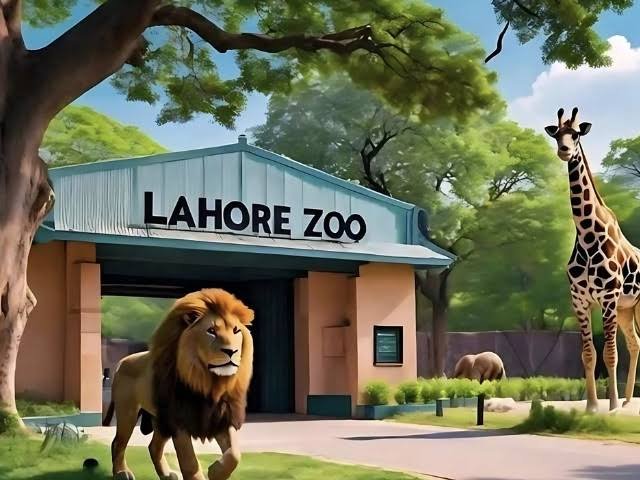

Lahore Zoo’s animal adoption scheme has raised questions about animal welfare, transparency and the responsibilities of private sponsors. The initiative allows individuals and organisations to support animals financially, but concerns remain over how the programme operates and whether it delivers meaningful improvements to animal care.
The scheme aims to encourage public participation in wildlife conservation while helping cover the costs of maintaining animals. However, animal welfare advocates emphasise that adoption programmes must prioritise animals’ needs rather than simply provide sponsors with recognition or publicity.
Transparency and Animal Care Under Scrutiny
Animal adoption schemes typically allow sponsors to contribute towards food, veterinary treatment, shelter and other essential requirements. These programmes can provide additional resources for zoos, particularly when public funding does not cover every operational expense.
Nevertheless, questions arise when authorities do not clearly explain how contributions are collected, allocated and monitored. Transparent financial reporting can help demonstrate whether sponsorship funds directly improve animals’ living conditions.
Furthermore, experts stress that financial support alone cannot guarantee good welfare. Animals require suitable habitats, appropriate diets, veterinary supervision and opportunities to display natural behaviours.
Adoption Scheme Needs Stronger Oversight
The adoption programme allows individuals and organisations to contribute towards the upkeep of selected animals. In return, adopters may receive updates and opportunities to visit the animals they support, although the arrangement does not transfer ownership.
However, clear guidelines and regular assessments are necessary to ensure that sponsorship benefits animals directly. Authorities should disclose how they use donations and explain how they measure improvements in animal health and living conditions.
The debate also highlights the need to balance public engagement with professional animal care. While private contributions can support zoo operations, the administration remains responsible for providing suitable habitats, nutrition and veterinary treatment.
Ultimately, the scheme’s success should depend on measurable improvements in animal welfare rather than the amount of money it generates. Greater transparency, independent oversight and regular welfare assessments could help strengthen public confidence and ensure that animals remain the programme’s central priority.
For the latest updates, visit and follow The Truth International website (www.thetruthinternational.com) and subscribe to the YouTube Channel.

