

Farage’s party records strong advances across councils
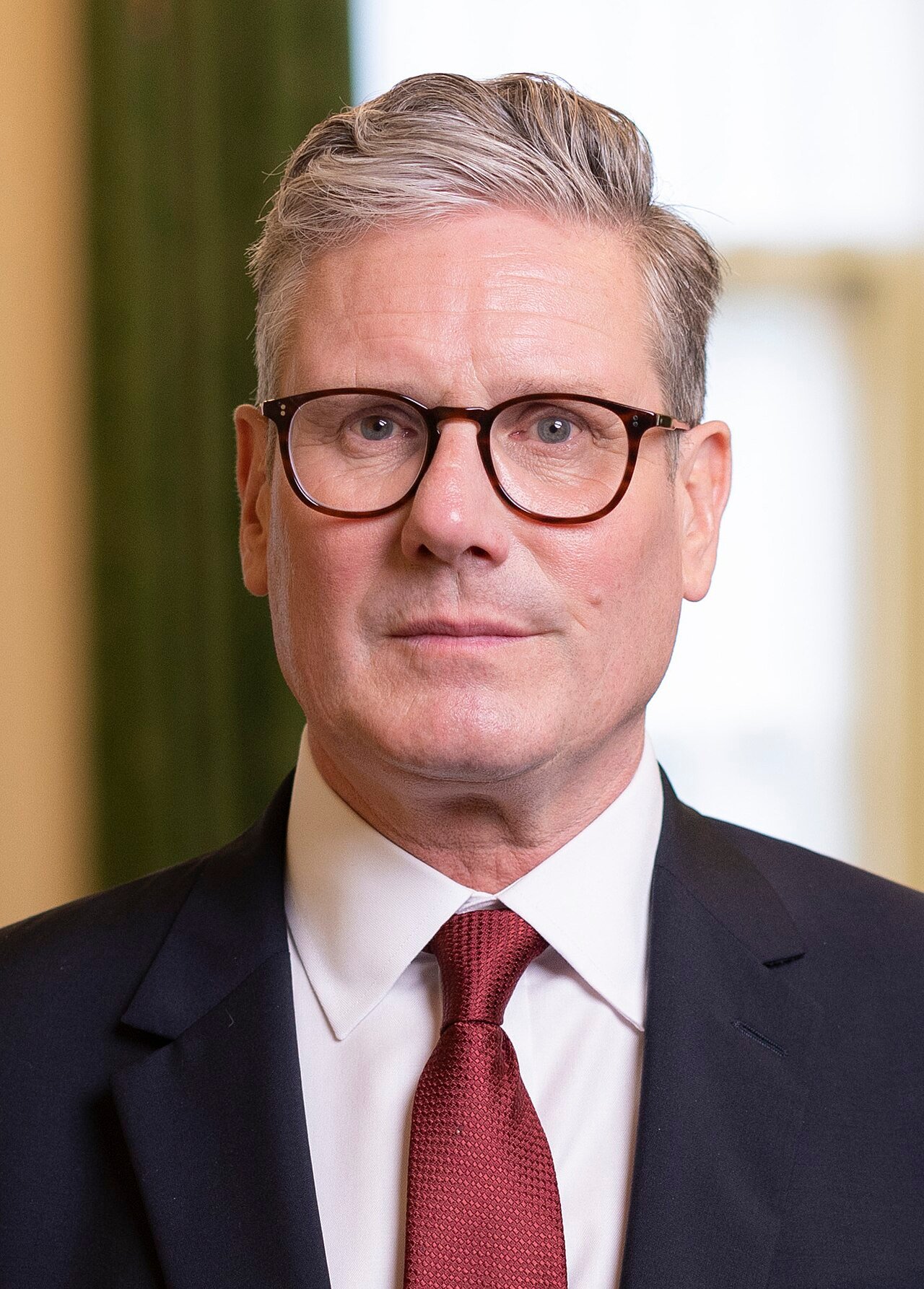
Britain’s ruling Labour Party suffered significant setbacks in local elections on Friday as Nigel Farage’s anti-immigration Reform UK secured major gains across England. Early results showed growing voter dissatisfaction with Prime Minister Keir Starmer less than two years after Labour’s landslide national election victory ended 14 years of Conservative rule.
By Friday morning, Reform UK had gained more than 350 council seats, while Labour lost over 240 seats across the first 40 English councils declaring results. Most outcomes from England, Scotland, and Wales were still pending later in the day.
Meanwhile, Reform UK leader Nigel Farage described the results as a “historic change in British politics,” claiming traditional political divisions between left and right were fading rapidly.
At the same time, opinion polls predicted further losses for Labour, particularly in working-class communities and urban areas where voters increasingly expressed frustration over economic pressures and government policies.
Deputy Prime Minister David Lammy defended Starmer’s leadership despite mounting criticism within the party. He acknowledged voter frustration but argued Labour should remain united and continue pursuing its political agenda.
Leadership pressure grows after disappointing results
Furthermore, reports suggested senior Labour figures privately urged Starmer to announce a timeline for stepping down after the elections. However, Lammy rejected calls for leadership changes, warning against destabilizing the government during difficult political conditions.
Critics accused Starmer of failing to deliver economic growth and mishandling several political controversies, including disputes surrounding former ambassador Peter Mandelson. Rising living costs and energy prices also weakened public confidence in the government.
In addition, Labour faced pressure in Scotland and Wales, where opposition parties appeared poised to make further gains. Surveys indicated Reform UK could push Labour into third place in Scotland, while Plaid Cymru challenged Labour’s long-standing dominance in Wales.
Meanwhile, political speculation intensified over possible leadership challenges involving senior Labour figures Angela Rayner and Wes Streeting following the disappointing local election results.

