
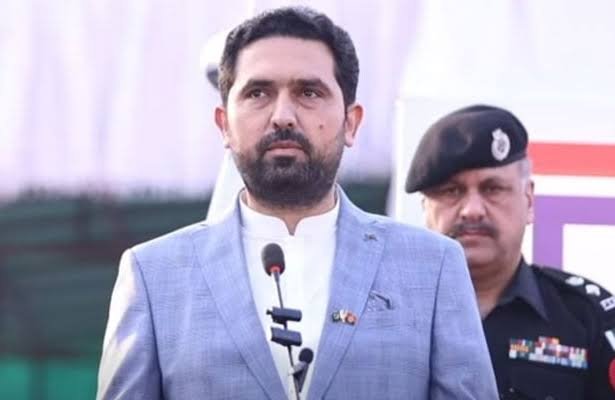

Khyber Pakhtunkhwa Chief Minister Sohail Afridi has denied the existence of any group called the “Imran Khan Rehayi Force.” He told the Federal Constitutional Court that the initiative in question is a peaceful political movement without any armed or militant structure.
The chief minister submitted the response in a rejoinder filed against a petition challenging the movement’s legal status. The petitioner argued that the alleged force violated the Constitution and threatened public order.
A three-judge bench of the Federal Constitutional Court, headed by Chief Justice Aminuddin Khan, will hear the case on July 29. Earlier, the court had directed the KP chief minister to submit his response to the petition.
Rejoinder Calls Movement Peaceful and Constitutional
The rejoinder stated that no “Imran Khan Rehayi Force” had ever been formed, notified or made operational. It also maintained that no armed structure, coercive framework or paramilitary organisation had been planned.
According to the response, the initiative is officially named the “Imran Khan Rehayi Aman Movement.” It described the movement as peaceful, voluntary and focused on raising public awareness about due process and constitutional rights.
The rejoinder said the movement seeks the release of PTI founder Imran Khan through lawful, democratic and constitutional means. Therefore, it rejected allegations linking the campaign to militancy or coercion.
It also dismissed comparisons with organisations such as Al-Zulfiqar or groups associated with the Muttahida Qaumi Movement. The response argued those references were factually incorrect and legally irrelevant.
Government Rejects Petition as Speculative
The rejoinder stated that decisions regarding political movements fall within the PTI’s organisational structure rather than the chief minister’s constitutional responsibilities. It added that the chief minister has no authority to create such movements in his official capacity.
Furthermore, the response argued that the petition failed to establish any violation of fundamental rights. It maintained that the case relied on assumptions, media reports and speculative claims instead of evidence.
The chief minister also challenged the petitioner’s legal standing before the court. Consequently, the rejoinder requested the Federal Constitutional Court to dismiss the petition as premature, politically motivated and legally untenable.

