
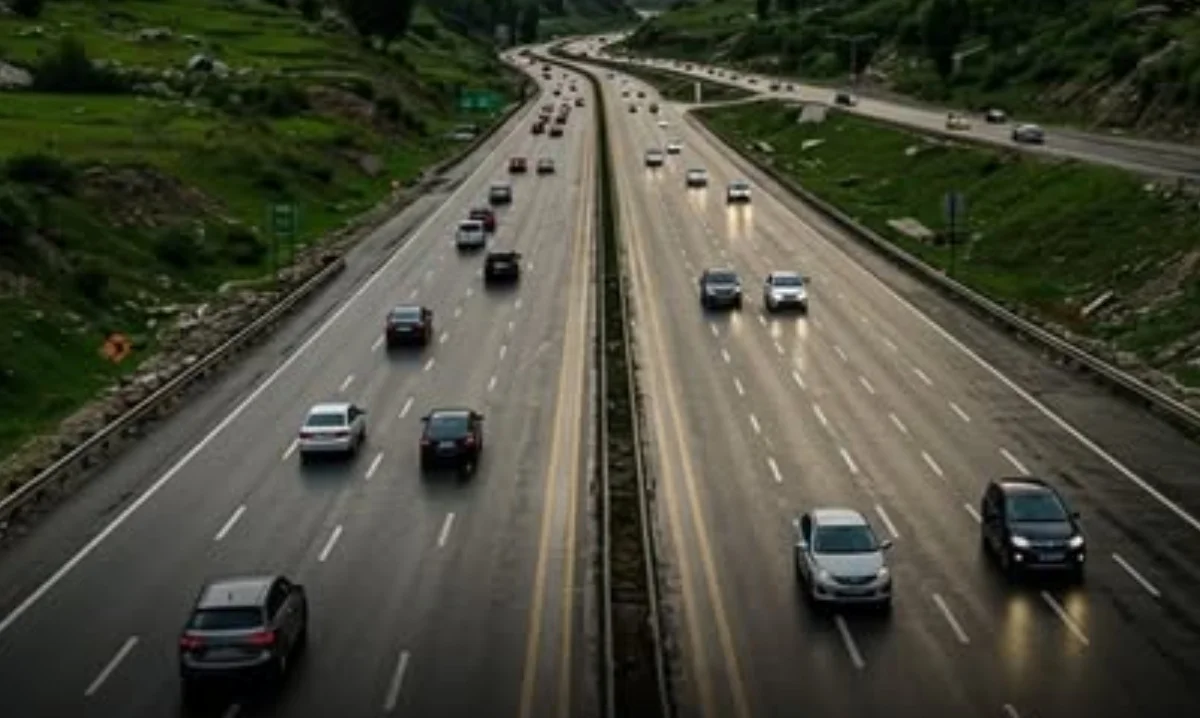

The Khyber Pakhtunkhwa government has approved the construction of the 29-kilometre Dir Motorway. The project carries an estimated cost of Rs 69 billion and aims to improve regional connectivity.
The motorway will stretch from Chakdara Interchange to Baroon in Lower Dir district. Moreover, it will become the second motorway funded through the provincial government’s own resources.
Land Acquisition Process Begins For Major Project
The approval came during a meeting chaired by Chief Minister Sohail Afridi at the Chief Minister’s House in Peshawar.
Following the decision, authorities received instructions to immediately begin the land acquisition process. Additionally, relevant departments must finalize implementation timelines without delay.
Afridi directed officials to ensure the motorway is completed within the stipulated timeframe. Furthermore, he called for amendments to the Public-Private Partnership framework to speed up infrastructure development.
Motorway Expected To Boost Economy And Tourism
During the meeting, Afridi described the Dir Motorway as a landmark project for the Malakand Division. He said the highway would significantly reduce travel time, fuel consumption and transportation costs.
Consequently, the improved road network is expected to strengthen economic activity across the region. The chief minister also said better connectivity would encourage tourism and attract new investment.
In addition, the project is expected to create employment opportunities and support long-term regional development. Officials believe the motorway will improve access between key districts and enhance public mobility.
Meanwhile, the meeting also reviewed progress on the Peshawar–Dera Ismail Khan Motorway and Swat Motorway Phase-II projects. Authorities reiterated their commitment to completing major infrastructure schemes on schedule.
The provincial government considers these road projects essential for improving transportation, supporting economic growth and strengthening links between communities across Khyber Pakhtunkhwa.

